


A few years ago, we were called out to inspect a farm in Valencia where the owner swore that his drip irrigation system was “impeccable”. He’d set it up with high-quality materials, good water pressure and an automated irrigation system – everything was in order. Yet half the citrus trees were clearly suffering from water stress. The cause? Something quite silly: he hadn’t cleaned the filters for over a year. He had a 120-micron mesh filter that looked like a solid block of clay. The worst part was that he didn’t even suspect a thing because the drippers were still letting out a bit of water… but not where they were supposed to.
Why is it so important to maintain an irrigation system?
Impact on water efficiency
An irrigation system isn’t just a case of laying pipes and forgetting about it. It’s like a living organism: it needs monitoring. Without proper maintenance, problems start to arise. A dripper losing flow here, a valve that doesn’t close properly there, and before you know it, you’ve got dry patches and puddles on the same plot.
Long-term savings
When the system is out of balance, more water is used than necessary, crop yields fall, and repairs become necessary. What seems cheap ends up costing a lot. A pipe burst due to excessive pressure or a pump overworked because it hasn’t been cleaned can cause costs to skyrocket in a matter of days.
The most common mistakes in maintenance
1. Not cleaning the filters regularly
They are installed, work at first… and then are forgotten about. Particularly in well or canal water, the filters accumulate silt, algae and carbonates. When the pressure differential between the inlet and outlet exceeds 0.5 bar, there is already a problem. But if nobody checks them, you’re just watering blindly.
2. Not checking the system pressure
Many farmers believe that simply seeing that “water is coming out” is enough. But without pressure gauges at key points, you don’t know what’s going on. You might have 2.5 bar at the head of the line and only 0.9 bar at the end. The result: the drippers at the end don’t even budge.
3. Ignoring blocked drippers
Drip emitters don’t always stop working suddenly. Sometimes they gradually lose flow. The problem is that, as they’re buried underground or hidden amongst the leaves, it’s hard to tell if they’re watering less. Unless you carry out flow tests using measuring cylinders, you won’t even realise.
4. Failure to check the valves and connections
Rubber seals dry out, mechanical valves fail over time, and solenoid valves become clogged with debris. If they are not checked every season, micro-drips, leaks or failure to open will occur. Sometimes the problem isn’t the pump or the controller, but a jammed valve.
5. Neglecting the watering schedule
You can’t water in April the same way as in July. Needs change, the weather changes, and the crop changes. And without moisture sensors or manual adjustments, irrigation becomes inefficient. Not too much, not too little: water at just the right time.
6. Using water that has not been properly filtered
Some people think that a mesh filter is all you need. But if there’s algae, fine slime or contaminants, you’ll need ring filters, cyclonic filters or sand filters. Otherwise, the dirt will get through and build up in drippers, valves and pipes.
7. Not carrying out seasonal checks
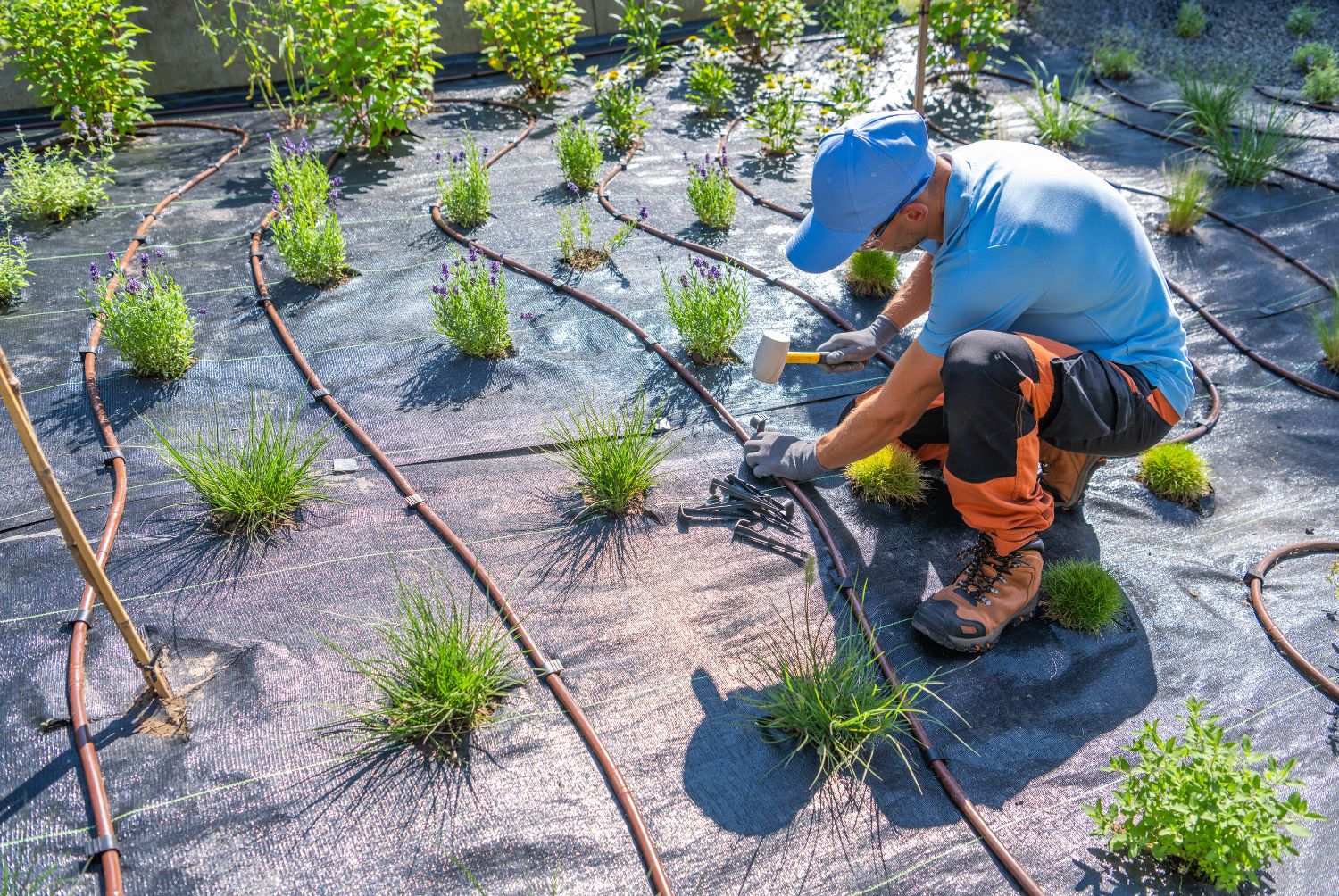
Frost, air pockets, ground movement… At the start of the season, many systems have cracks, loose drippers or split connections. It’s not enough just to turn the tap on and assume everything is fine. You need to inspect every line, every section.
Practical tips for efficient maintenance
Maintenance schedule: your roadmap to avoiding surprises
If there’s one thing I’ve learnt after years of inspecting systems, it’s that making things up as you go along always ends up costing you. That’s why it’s best to put it in writing and hang it up in the irrigation room itself or wherever you keep the controller. Here’s a practical, simple and effective guide to make sure you don’t miss a thing:
-
- If you use water from a well or a canal, do this every week. These water sources contain sediment, iron and organic matter… which build up quickly.
- If you water with tap water, you can space out the watering to every 15 days, but no more than that. Fine sediment also gets filtered through and ends up having an adverse effect.
-
- At least once a month, across all sectors. Use reliable pressure gauges and measuring cylinders to measure litres per hour at key points. If you find a difference of more than 10–15 % between the theoretical and actual figures, something is wrong.
-
- Do this at the start of every new season. Cold causes materials to contract, heat causes them to expand, and over time, this leads to micro-cracks or loosening that you can’t see, but which do affect performance.
-
- Twice a year, ideally at the end of summer and before spring begins. Use products such as nitric or phosphoric acid in low concentrations to remove carbonates, and hypochlorite to tackle biofilm and algae. Always monitor the pH and contact time.
-
- Check all the controllers, solenoid valves and sensors. Although it might not seem like it, a burnt-out relay or a low battery could leave you without irrigation for days. It’s best to spot the problem before your crops start to suffer.
Install sensors: see what you can’t see
Intuition is useful, but data is king. You don’t need a 100 % automated system using artificial intelligence to improve your irrigation. With just three basic sensors, you can make better decisions every week:
-
- Place it at different depths (15 and 30 cm, for example) to see if the water is actually reaching the root collar. People often water ‘too much’ or ‘too little’ without realising it.
-
- It alerts you if the flow rate drops or rises unexpectedly. Ideal for detecting loose drippers, breaks or leaks. The latest models have configurable alarms and connect easily to your controller or mobile phone.
-
- One at the start of the line and another at the end. That way you can see whether the difference is consistent or whether there are any losses. It’s key to preventing excess demand in certain areas.
Remember: the sensors don’t water for you, but they tell you if you’re watering properly. It’s like having eyes underground.
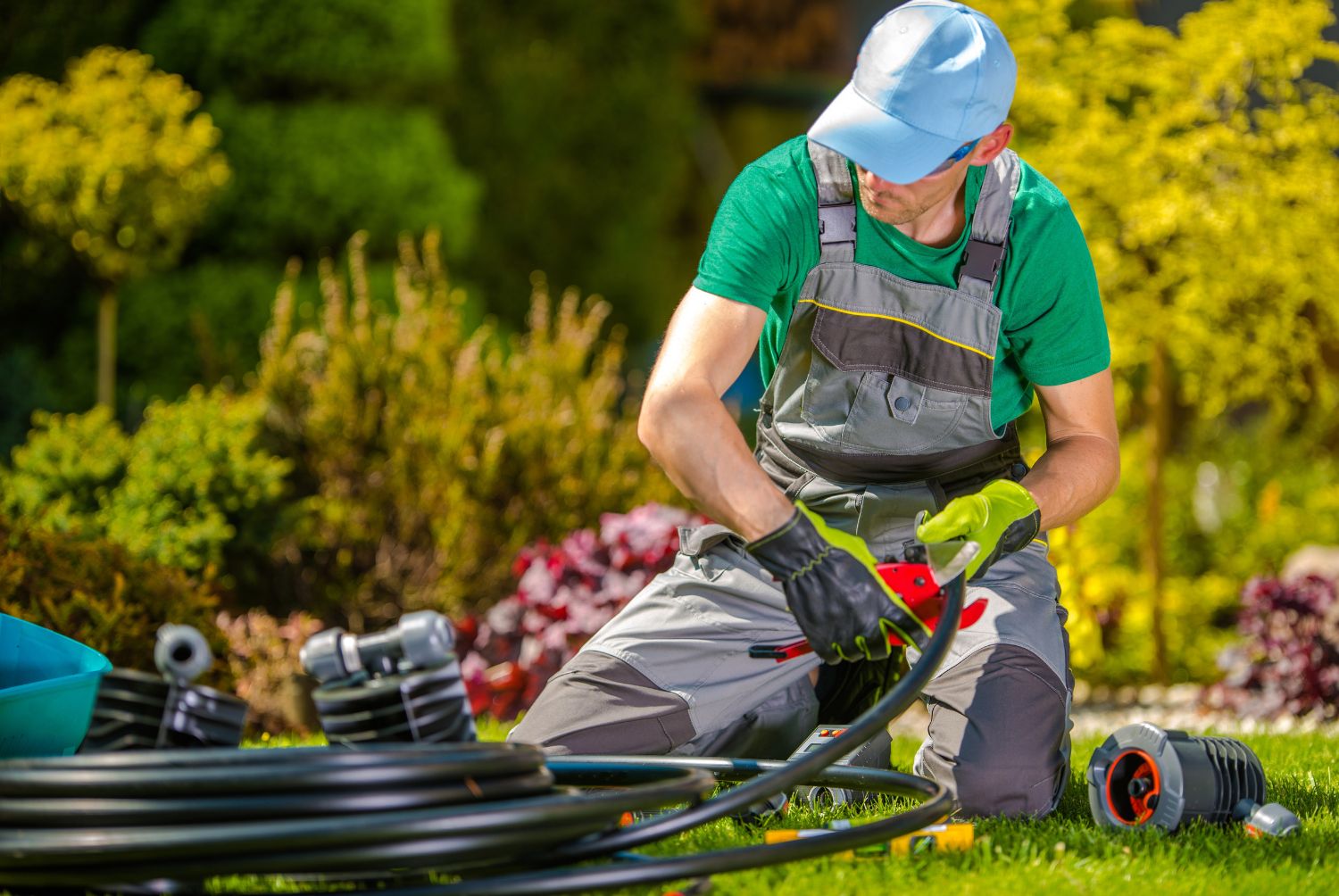
Replace without hesitation: smart, proactive maintenance
Many homeowners make the mistake of ‘waiting for something to break’. But when it comes to irrigation, as soon as a dripper stops working or a valve gets stuck, you’ve already lost out on efficiency.
- Worn droppers
- If you notice that one is losing flow (less than 80 % of the rated flow), don’t try to fix it with a needle. Replace it. They cost a few cents, but a plant without water costs euros.
- Slow or noisy solenoid valves
- If you hear buzzing or clicking noises, or if they take a while to open, there’s probably some debris in the solenoid or the diaphragm. You can clean them, yes, but if they fail again, replace them without hesitation.
- Pipes that ‘sweat’ or drip
- A tiny drip today means a leak tomorrow. Don’t use insulating tape or make-shift solutions. Cut, clean and replace the section or joint.
Think of the irrigation system as a car: a timely oil change extends the life of the engine. Here, a spare part fitted in good time saves the harvest.
When should you seek professional help?
There are times when a simple DIY check is no longer enough. The system starts to show signs that point to a deeper, more structural issue. That’s when it’s best to call in a specialist technician, because carrying on trying to fix it ‘by eye’ only delays the problem (and makes it more expensive).
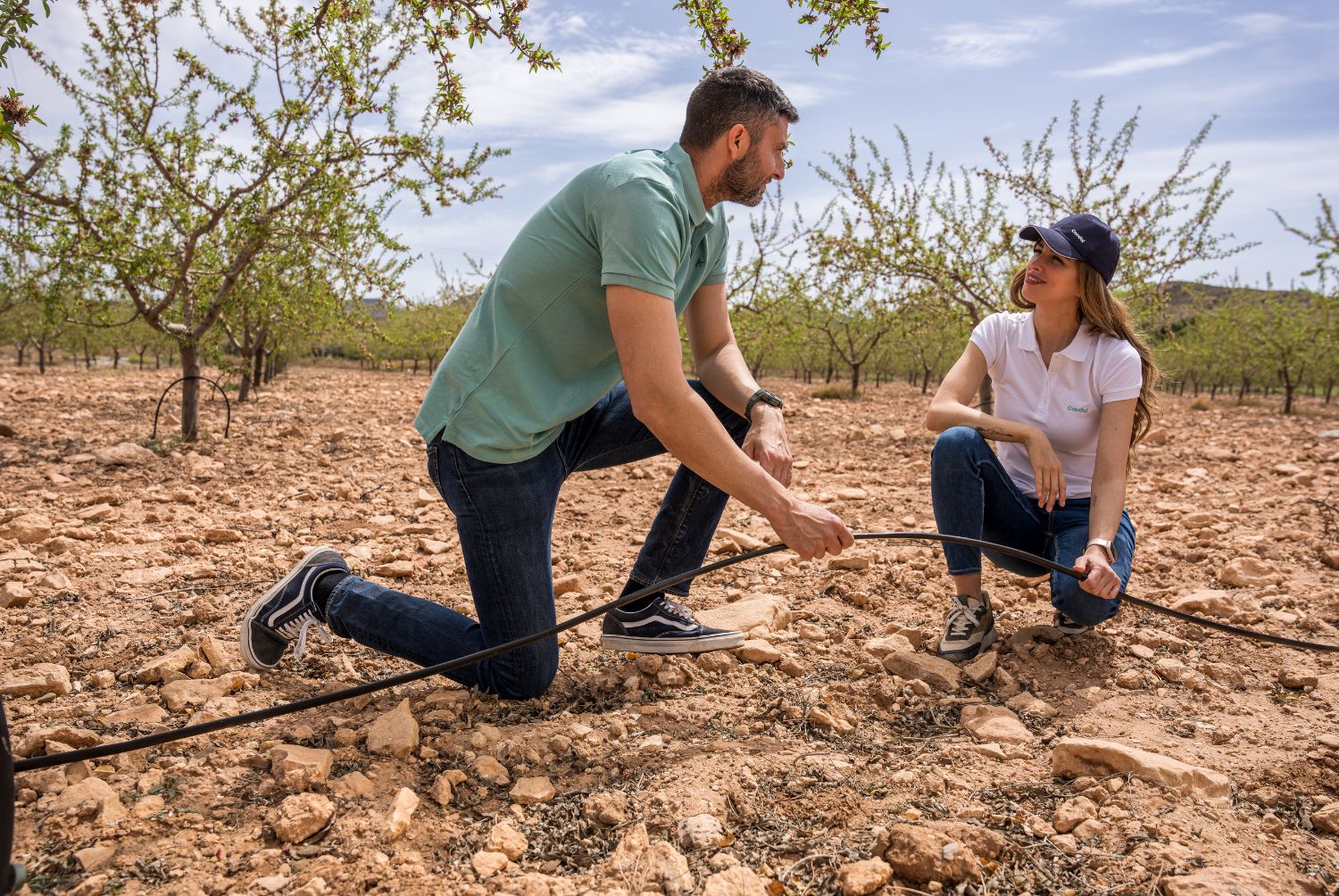
Here are some clear signs that you need a professional check-up:
- Pressure drops with no obvious
cause If you have ruled out visible leaks, dirty filters and programming errors, and the pressure is still dropping, you may be dealing with an internal blockage, a poorly calibrated valve or even an underground crack. This requires diagnostic tools and expertise. - Persistent
dry patches: When certain areas are not being watered properly, despite the system being correctly programmed, there may be a hydraulic problem in the distribution network, partially blocked drippers, or a poorly balanced design that cannot be corrected by manual adjustments. - Solenoid valves that malfunction intermittently
. The fault may lie with the controller board, the wiring or the valve itself, particularly if there is damp or insects inside the housing. Attempting to inspect it without the appropriate equipment may make the problem worse. - Pumps that start and stop erratically.
This is usually a sign of a problem with the pressure switch, a hidden pressure drop or a faulty non-return valve. The pump is subjected to greater strain and may burn out if the problem is not detected in time. - Sudden increase in water
consumption If the meter shows higher consumption but there is no improvement in irrigation, there may be an underground leak, a valve stuck in the open position or burst drippers. All of this requires a technical inspection, section by section.
At Caudal, our staff have inspected everything from 200 m² plots to estates covering more than 100 hectares. We use pressure gauges, test tubes, pressure tracers, thermal cameras and, above all, agronomic judgement. We do not simply aim to ‘fix the pipe’, but to optimise the entire system.
Request your technical assessment here. Fast, reliable and with written recommendations.
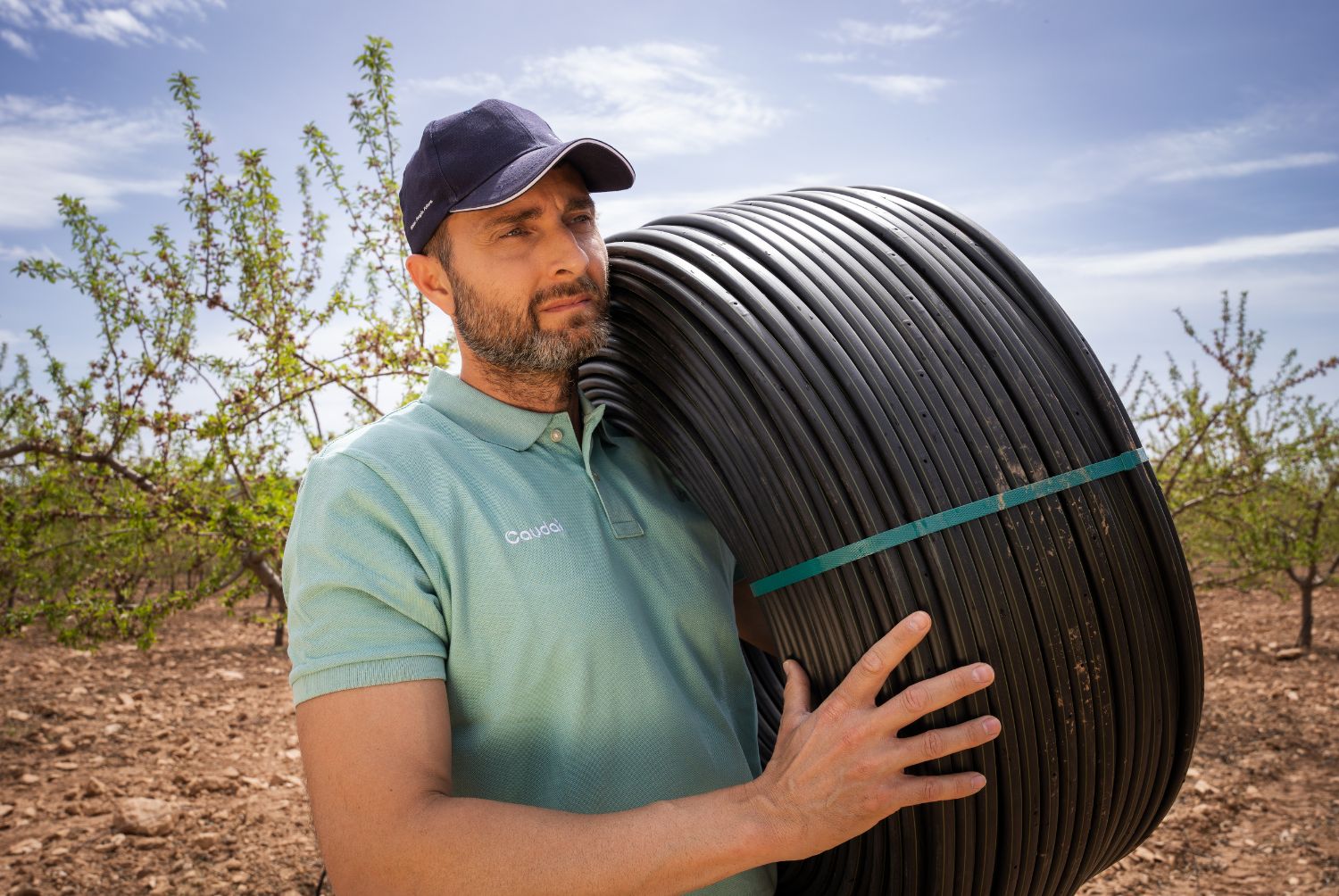
How do you automate an irrigation system?
Some people think that automating an irrigation system simply means fitting a timer and leaving it at that. But that’s not the case. Automation should support the crop, not replace technical judgement. Let me explain how to get the most out of it without overcomplicating things:
- Multi-zone controllers with seasonal
settings. Essential if you’re growing different crops or managing plots with varying orientations and slopes. Look for models with seasonal percentage adjustments, so you don’t have to reprogram everything every month. - Moisture sensors connected to the controller
Many controllers allow the sensor to stop watering if the soil reaches the appropriate threshold. It’s simple and prevents over-watering on cloudy days or after rain. - Flow meters with a leak
alarm. Some models detect anomalies in real time. If a sector is using more water than expected, they send an alert. Useful for large installations where a leak might go unnoticed for days. - Remote control via app or PC
. If you have properties in remote locations or if you delegate the watering, it’s best to have access via your mobile. That said, automation doesn’t mean you can stop checking the land. The screen tells you a lot, but the ground tells you even more.
Automation is good, but it must always be used judiciously. A good sensor is no substitute for the technician who interprets it. As we say in the field: “It’s not the button that does the watering; it’s the trained eye that decides when to press it.”
Request a free system check-up now. Click here
Frequently Asked Questions about Irrigation System Maintenance
How often should I check my system?
At least once a month during the peak season. And always after a change of season.
What happens if I don’t clean the filters?
Sediment builds up, the pressure drops and the drippers stop watering. This is the most common fault.
How can you tell if a dripper is blocked?
Check for dry patches, measure the flow rate manually or listen to see if water is running through. A silent dripper is usually blocked.