

Soil is an essential component of agriculture, acting as the medium that supports plant growth and serves as a reservoir of water and nutrients. In this article, we will explore the fundamental concepts relating to soil and its importance in the efficient management of irrigation in agriculture.
The Soil: A Living Ecosystem
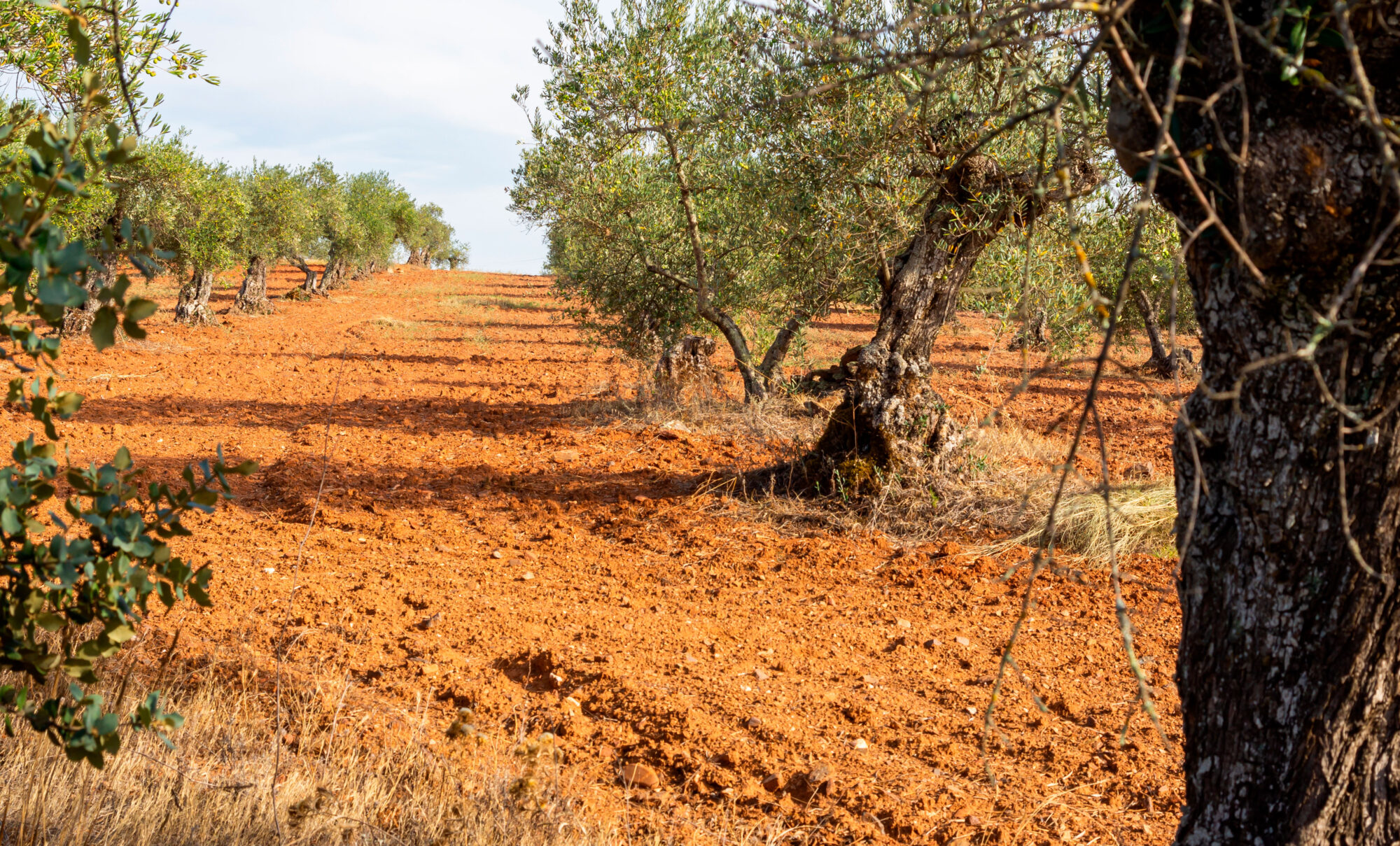
The soil is not simply an inert medium, but a living ecosystem in which a variety of organisms coexist, some of which are beneficial to crops and others harmful. Maintaining a balance within this ecosystem and looking after it is crucial to ensuring the short-, medium- and long-term sustainability of agricultural activity.
Soil Properties and Irrigation Management
When managing irrigation in agriculture, it is essential to understand the soil properties that influence its capacity to retain and distribute water. These properties can be classified into three main categories: physical, chemical and biological.
Physical Properties
The physical properties of soil, such as texture, structure, bulk density and infiltration rate, play a crucial role in irrigation management. Soil texture, for example, refers to the size distribution of the mineral particles that make up the soil, and can range from coarse sand to fine clay. This property influences the soil’s water-holding capacity and infiltration rate.
Chemical Properties
The chemical properties of the soil, such as electrical conductivity, cation exchange capacity, organic carbon concentration and pH, also affect its ability to retain and supply nutrients to plants. A thorough understanding of these properties is essential for effectively adjusting irrigation and fertilisation requirements.
Biological Properties
The soil is home to a wide variety of living organisms, ranging from earthworms to microorganisms, which play a crucial role in its health and fertility. Soil respiration, the presence of burrowing organisms and microbial biodiversity are key factors to consider in irrigation management, as they influence soil structure and quality.
Irrigation Management Based on Soil Texture
Soil texture has a significant influence on irrigation management. In soils with a higher clay content, water retention is high and the rate of infiltration is slow, which requires longer and less frequent irrigation. Conversely, in sandy soils, water retention is low and infiltration is rapid, so short, frequent irrigation is required. Silty soils have characteristics that lie between those of clayey and sandy soils.
Conclusions
Understanding soil properties and their influence on irrigation management is essential for optimising agricultural production and ensuring long-term sustainability. The balance between the physical, chemical and biological properties of the soil, together with appropriate irrigation management, are key factors for success in agriculture.
In future articles, we will explore other concepts relating to the precise control of irrigation volumes and frequencies, with the aim of further improving efficiency and productivity in agriculture.
Manuel Gómez Carmona
, Agricultural Engineer at Caudal