


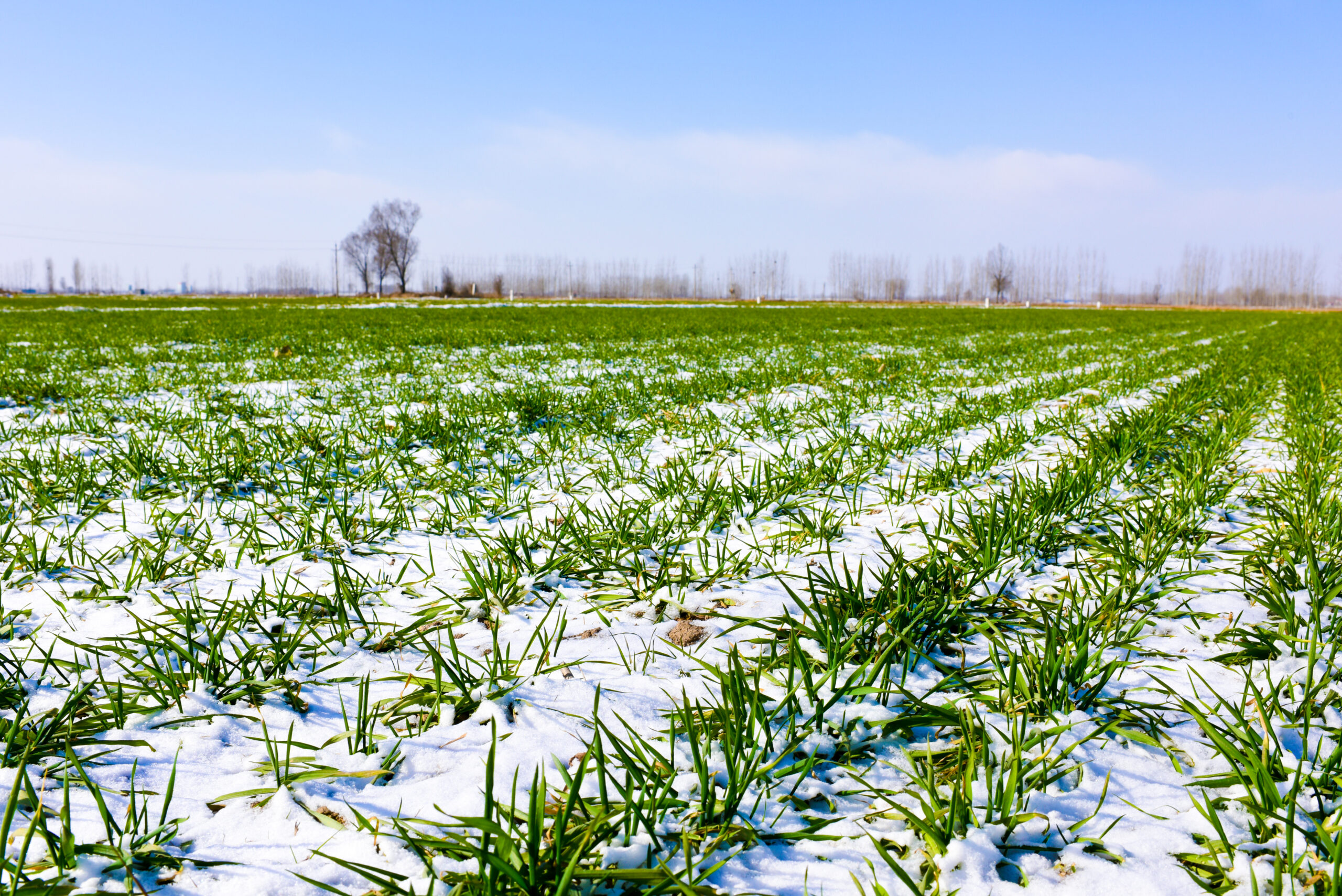
In a drip irrigation system, low temperatures can have a number of adverse effects. Every year, due to climate change, it is very difficult to predict exactly when frosts will occur, let alone their severity. It is therefore important to protect our irrigation systems against such adverse weather conditions.
One of the most common faults occurs when pipes and drippers freeze, expand and subsequently burst, which can cause damage to the system and a loss of pressure, thereby reducing irrigation efficiency. Another effect is the formation of ice in the soil, which can damage plant roots and reduce the uptake of water and nutrients.
Common frost protection measures for sprinkler or drip irrigation systems include the following:
• Drain pipes and other system components (valves, filters, electrical control units, etc.) before temperatures drop. Furthermore, where there is a risk of freezing, the suction cups must be drained.
• Insulation of pipework. In the case of polyethylene pipes, as this is a flexible material, it is capable of absorbing the increase in volume, up to a certain limit. However, the internal properties of the pipe may be impaired when subjected to low temperatures, so it is advisable to insulate the most exposed sections.
• Regular maintenance. The pressure from frozen water can cause breakages and leaks in water meters and solenoid valves. It is advisable to check that the sprinkler head or the area where these are located is in good condition to avoid any risks.
• Protect control components. In general, it is advisable to remove and store away any parts of the system that could be damaged by frost. If they cannot be removed, it is advisable to cover them with a thermal blanket or other insulating material.
Every irrigation system has its own specific characteristics, so it is important to consult a specialist who can assess it and recommend the best measures to protect it. Even so, these factors will help you protect your drip irrigation system from high temperatures.