


What is pepper cultivation?
The sweet pepper (Capsicum annuum) is native to Central and South America and is grown in temperate and warm regions such as Spain, Mexico, China and Turkey. Drip irrigation is the most efficient method for producing profitable, high-quality crops.
Spain is the European leader in production and exports (mainly to Germany, France and the United Kingdom). The main production areas are:
- Almería: in a greenhouse.
- Murcia: in greenhouses and outdoors.
- Valencia and Alicante: outdoor and industrial.
- Navarre, La Rioja, Extremadura: outdoor and industrial applications.
Types of pepper
Peppers are classified according to their shape, size, colour and flavour as follows:
- Sweet: large, fleshy, green, red, yellow or orange. California or Lamuyo varieties.
- Chilli: small, used mainly as a condiment.
- Italian: long and narrow, ideal for frying.
- Ornamental: grown for their decorative value.
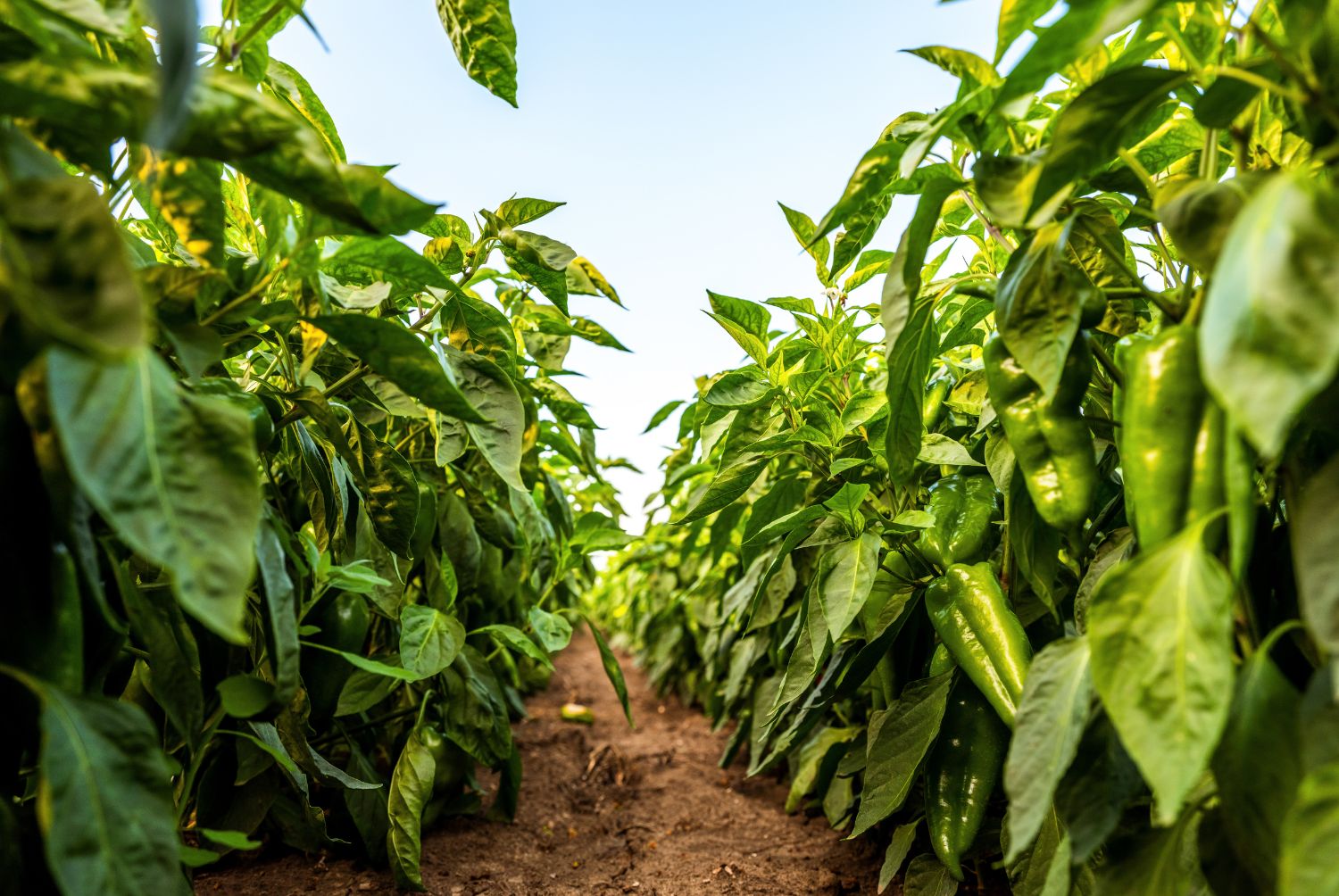
Requirements for growing peppers.
Soil requirements.
It requires light, deep, well-drained, fertile soil rich in organic matter. The soil should be loam or sandy loam with a pH of between 6.0 and 7.0.
Climatic requirements.
It is a thermophilic plant, with an optimum temperature of between 20 and 30°C. Low temperatures slow down growth, whilst high temperatures (>35°C) cause flowers and fruit to drop. It prefers dry climates with at least six to eight hours of sunlight per day. A greenhouse is a good alternative in cold climates.
Water requirements.
Peppers require frequent but controlled watering, avoiding both water deficit and excess, particularly during flowering and fruit set. It is crucial to avoid sudden fluctuations in moisture levels. For crops grown on growing media (rockwool, perlite or coconut fibre), precise irrigation management is required, monitoring pH and conductivity (in the nutrient solution and in the drainage water).
How are peppers grown?
How do you sow it?
Peppers can be sown directly (in open fields only), although it is more common to transplant seedlings from a seedbed. This allows for the transplantation of better-developed plants and minimises the loss of seeds (which are usually expensive). Planting density varies between 20.000 and 30.000 plants per hectare, depending on the type of pepper.
Planting density will depend on the cultivation system (open field or greenhouse), management practices, the variety and the intended use of the produce (fresh or for processing).
Open-field density:
- Common planting frames:
- Between lines: 0.8 to 1.2 metres.
- Between plants: 0.3 to 0.5 metres.
- Average density: 20.000 to 35.000 plants per hectare.
- Factors that influence this:
- Variety (determinate or indeterminate).
- Fruit size.
- Mechanisation (more space required if tractors/combine harvesters are used).
Greenhouse density:
- Common planting frames:
- Between lines: 0.8 to 1.0 metres.
- Between plants: 0.25 to 0.5 metres.
- Average density: 30.000 to 40.000 plants per hectare. This can exceed 50.000 plants per hectare in very intensive crops.
- Hydroponic cultivation using a growing medium (in a greenhouse): 3 to 3.5 plants/m² (30,000 – 35.000 plants/ha).
When is it sown?
In temperate climates, sowing takes place in spring (March to May), once the risk of frost has passed. In greenhouses, sowing can take place all year round, with the cycle adjusted to market conditions whilst avoiding frost and extreme temperatures.
When should it be watered?
Irrigation should begin before transplanting, after which the frequency and volume will be gradually increased in line with the phenological stages. During the vegetative stage, water is applied less frequently. During flowering and fruit set, irrigation should be more frequent and precise. The fruit set and fruit development stages are the most water-demanding, so proper management during this period is crucial. Drip irrigation allows for localised and efficient water application.
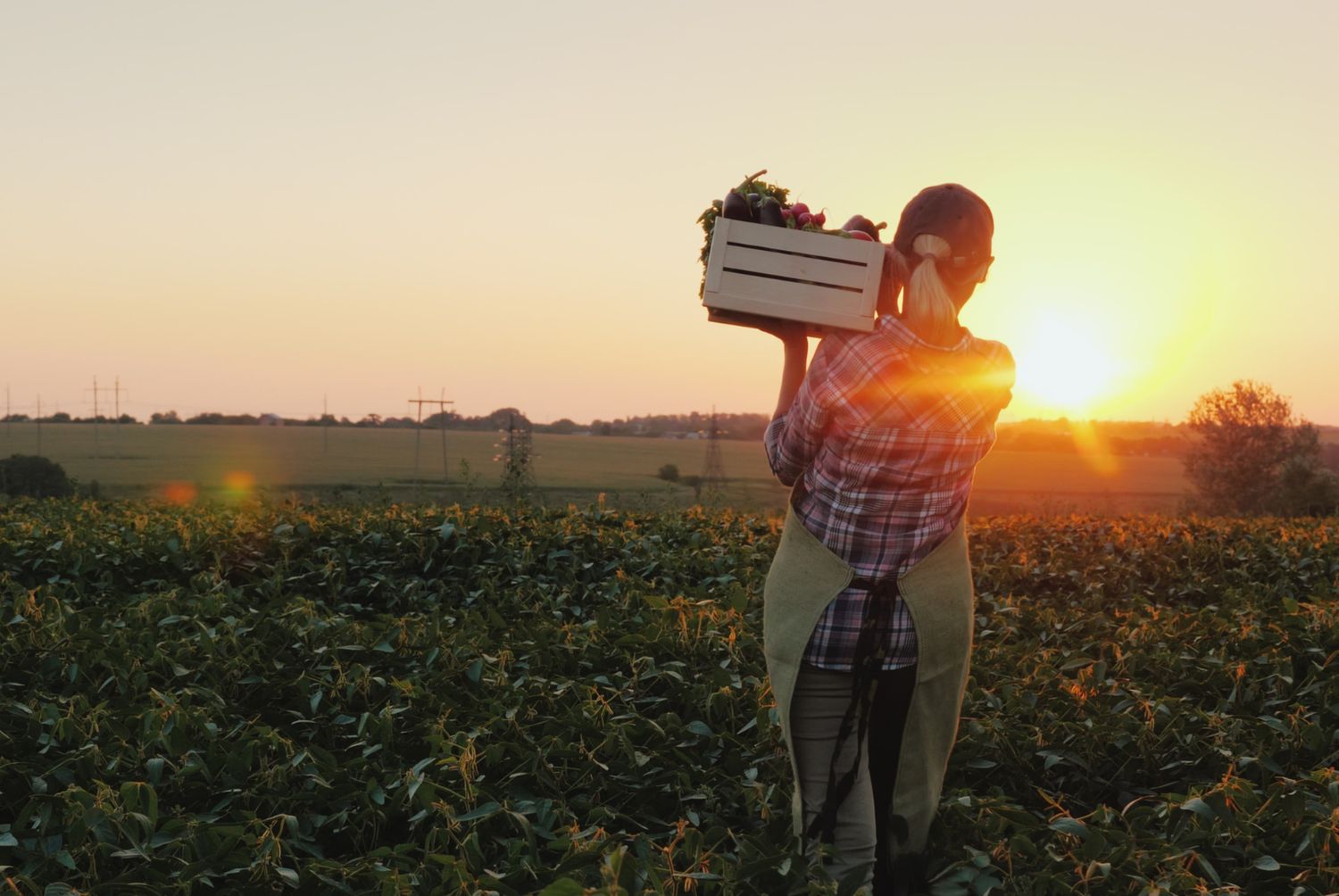
Pepper treatments and harvesting
Fertilisers and fertigation.
Fertigation improves the efficiency of nutrient uptake and reduces losses due to leaching. It requires: nitrogen, phosphorus, potassium, calcium and magnesium. The potassium rate should be high during fruiting. It is essential to control nitrogen levels to prevent excessive vegetative growth. Micronutrients such as calcium, magnesium and boron are also important. Organic fertilisers are recommended, but the system requires maintenance to prevent blockages through the use of oxidising agents, such as hydrogen peroxide.
Types of pests and treatments
Among the most common pests are aphids (Aphis spp.), whitefly (Bemisia tabaci), thrips (Frankliniella occidentalis) and two-spotted spider mite (Tetranychus urticae), which can affect the plant’s development or act as vectors for viral diseases. To control them, the use of biological products, selective chemicals and integrated pest management (biological control) is recommended. It is essential to monitor insect populations so that action can be taken at the right time.
The most common illnesses:
- Fungal diseases: Downy mildew, powdery mildew, botrytis, Alternaria and Phytophthora capsici, which can be prevented with fungicides, good ventilation (in the case of greenhouses) and proper irrigation management (over-watering leads to the proliferation of fungi).
- Bacterial: Bacterial spot and soft rot.
- Viral diseases: Tobacco mosaic virus (TMV), Cucumber mosaic virus (CMV) and Tomato spotted wilt virus (TSWV).
Harvesting the peppers
The fruit is harvested when it has reached the appropriate size, colour and firmness, depending on the target market. Harvesting usually begins between 60 and 90 days after transplanting. Green peppers are harvested whilst still unripe; red, yellow or orange peppers are harvested when ripe. Harvesting is usually carried out by hand to avoid damage.
In greenhouses in southern Spain, peppers transplanted in the summer start to be harvested between October and December, and harvesting can continue until April or June.
Irrigation products for peppers
Drip irrigation is the most recommended system for peppers, as it allows water to be supplied in a localised and efficient manner, reducing losses through evaporation and facilitating the application of dissolved fertilisers.
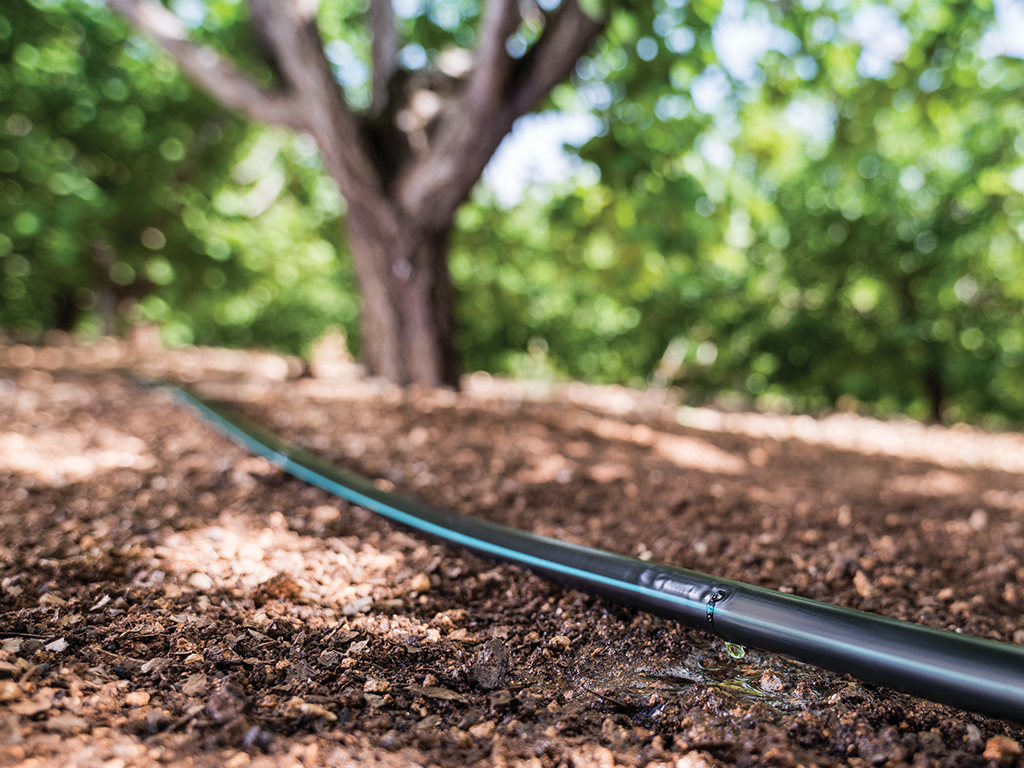
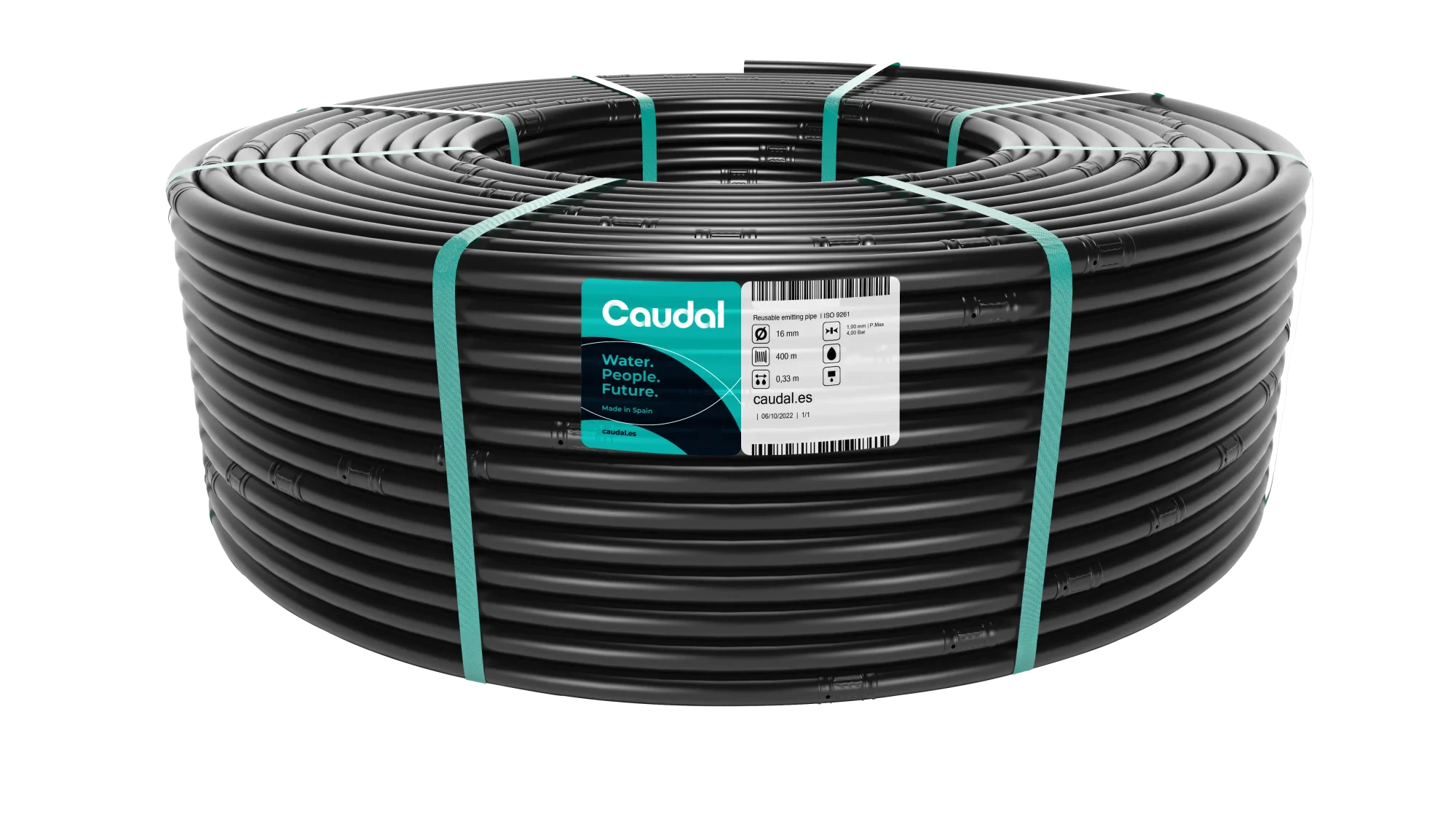
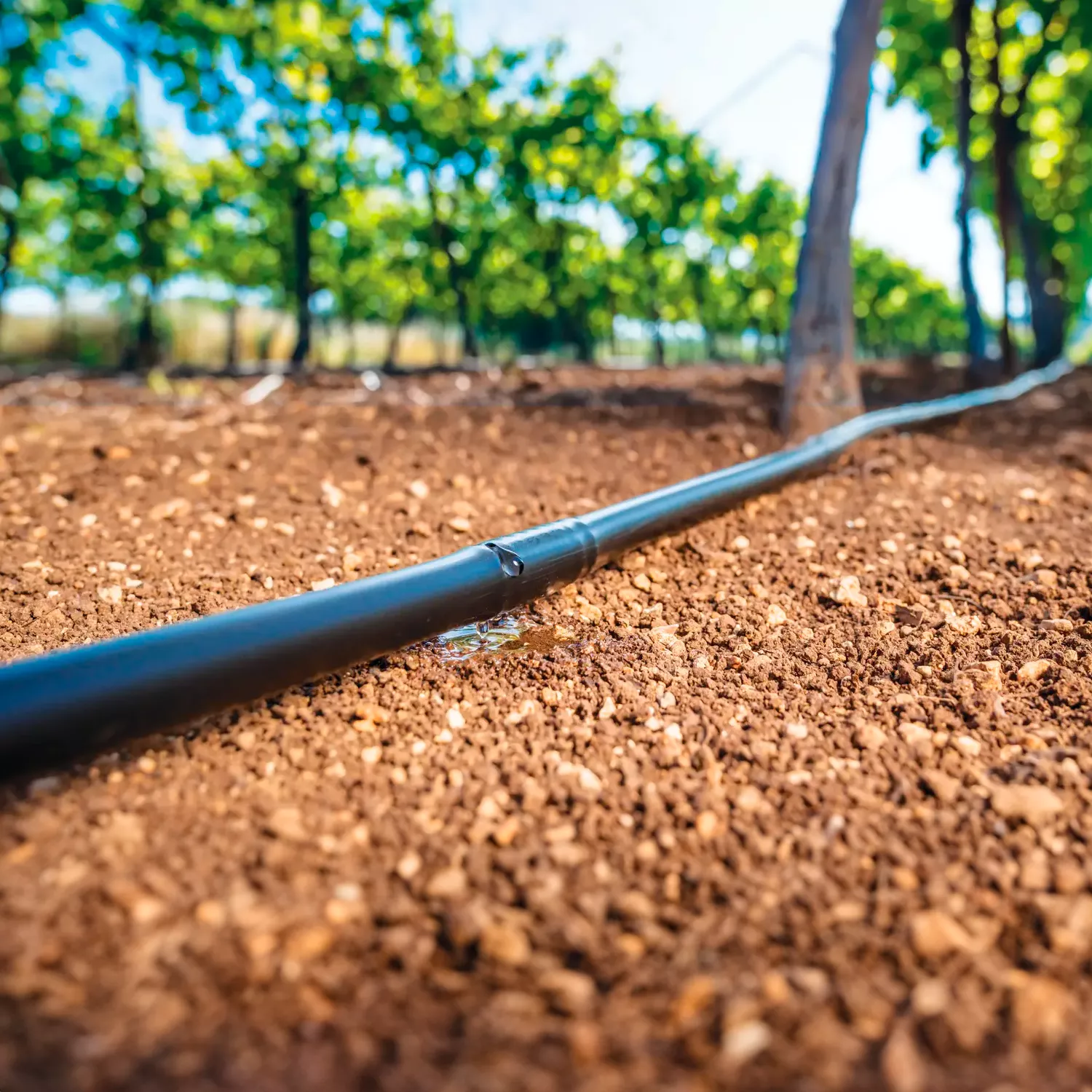
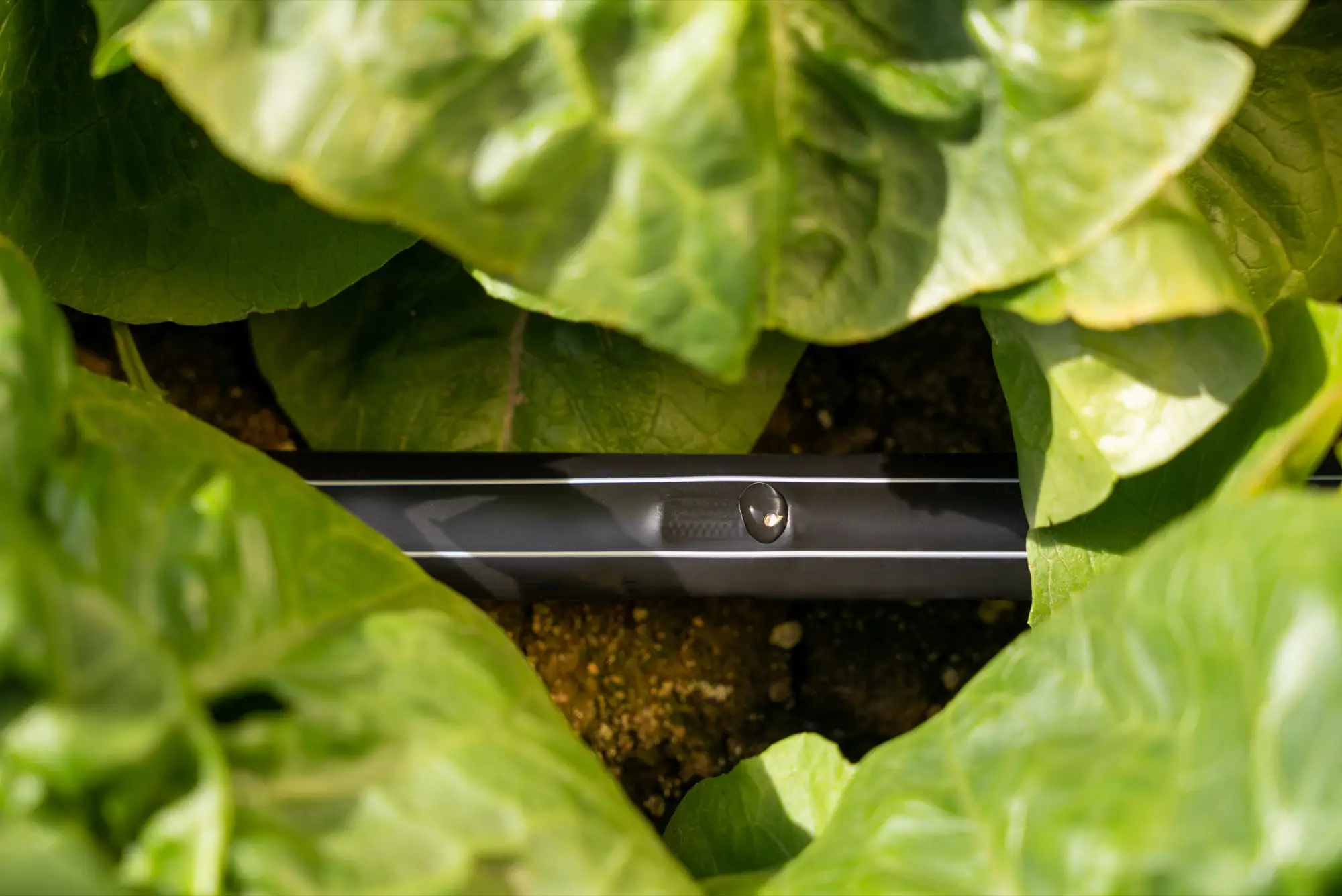
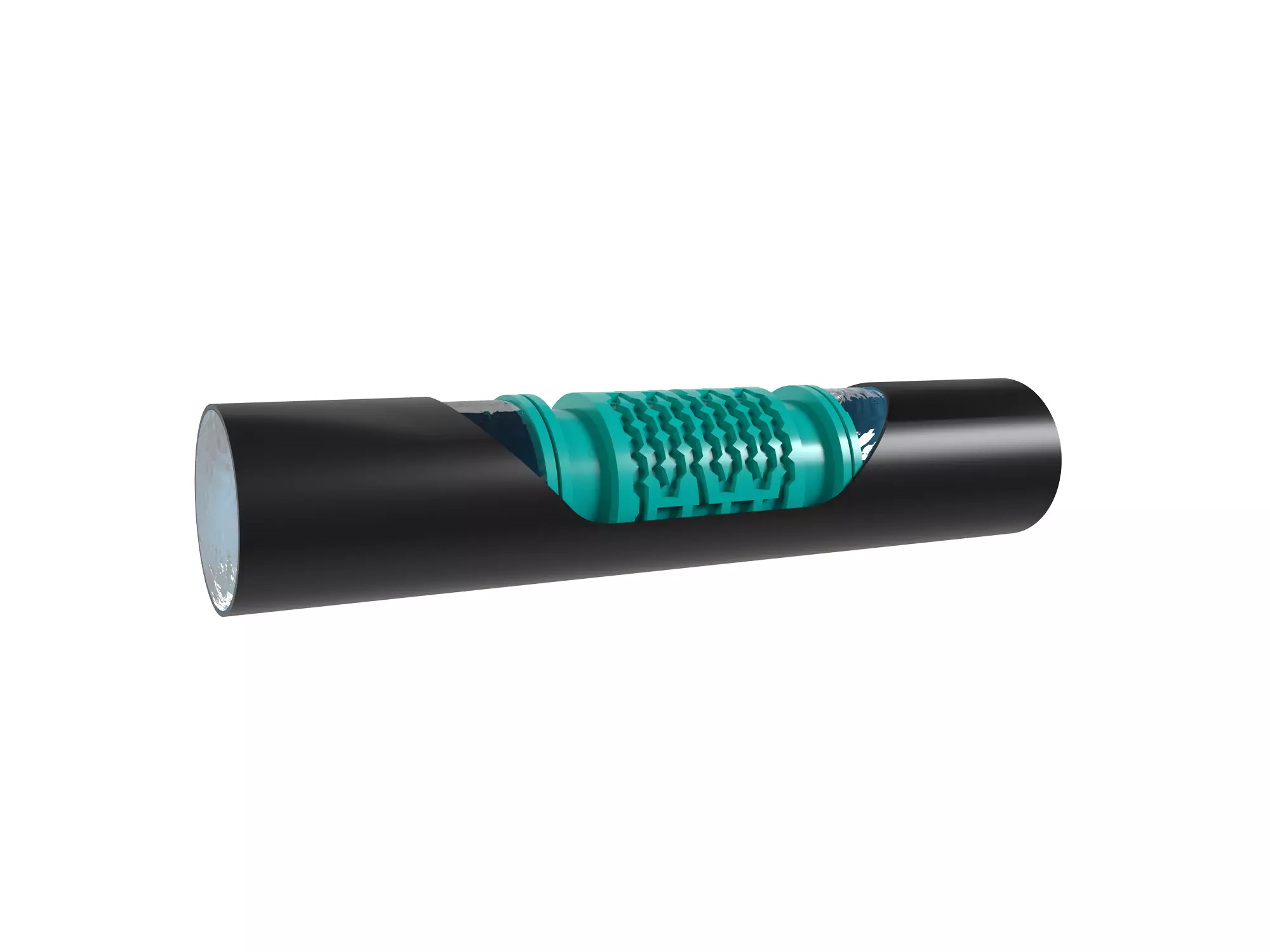
At Caudal, we stock a wide range of drippers to meet every need:
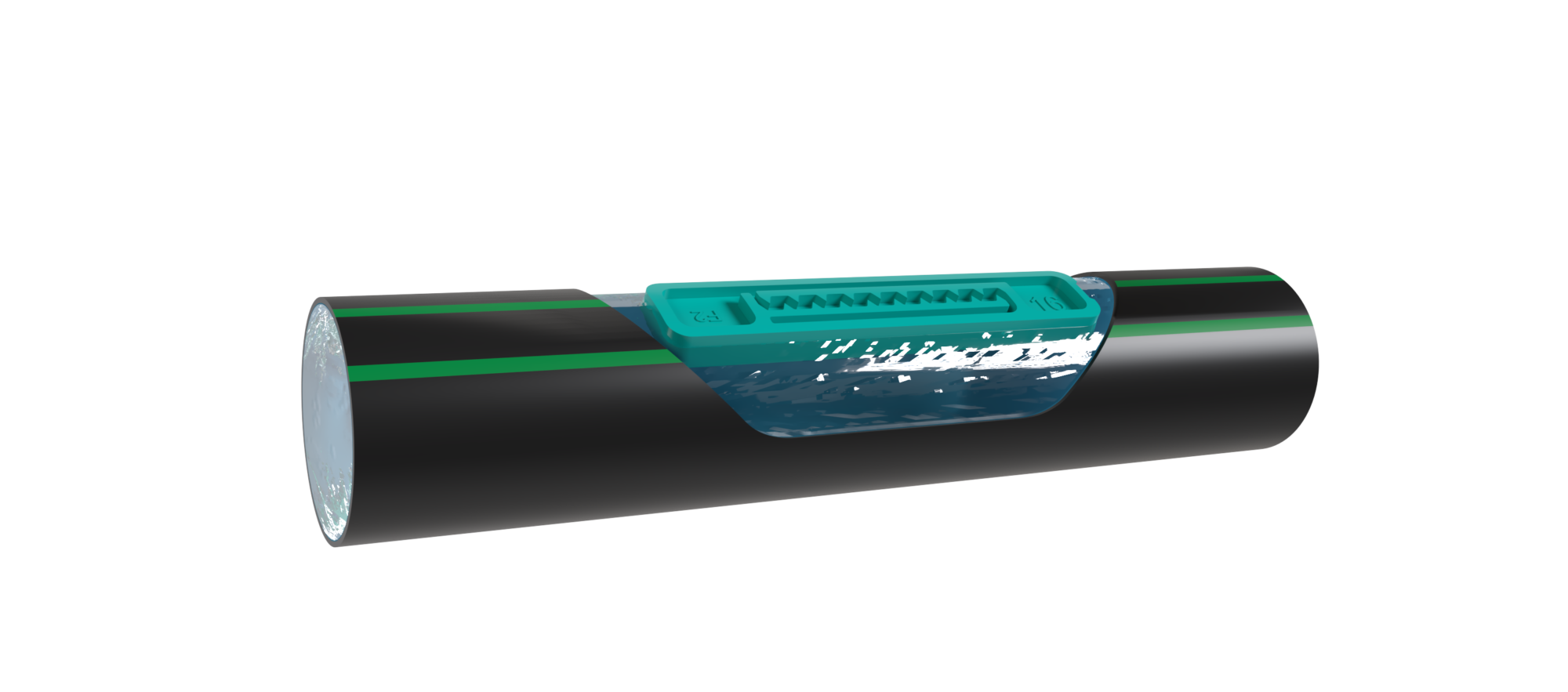
- PC700AS: Tablet dripper, self-compensating and anti-suction (an anti-drain version is also available). Features a filter and a labyrinth designed to prevent blockages. The silicone pressure-compensating diaphragm makes it highly resistant to chemical degradation. It ensures a constant flow rate, even when the pressure varies.
- PC600AS: the same features as the PC700 but in a cylindrical design. Models are available that are both anti-drain and self-compensating only.
- S500: Turbulent tablet dripper. Its filter and labyrinth design prevent blockages. As it is a turbulent dripper, it is not recommended for sloping ground or very long runs.
- S600: a cylindrical turbulent dripper with a long track record on the market. A guarantee of success and durability.
The recommended flow rate for drippers is 1 to 3 l/h, spaced 30 to 50 cm apart, to ensure an even distribution of water. In very sandy soils, it will be necessary to reduce the distance between drippers and/or lower the flow rate.
It is recommended that irrigation be automated using controllers, as this improves efficiency, reduces water consumption and enables precise fertigation.
Take a look at our irrigation systems for peppers and optimise your production.