


Avocado cultivation
- The avocado has a shallow, fasciculated root system, with a relatively weak taproot and a large mass of secondary and tertiary roots.
- Most of the active roots are found in the top 30–60 cm of the soil, particularly in the top 40 cm.
- Roots are very sensitive to excess moisture and a lack of oxygen (root hypoxia).
Avocado farms in Spain were originally located in the Axarquía (Málaga) and the Costa Tropical of Granada; they have since spread to other parts of Andalusia, such as the provinces of Cádiz and Seville, as well as to areas of Valencia and Murcia. In Portugal, avocado cultivation has gained ground in the south of the country, particularly in the Algarve and the Alentejo.
Spain is Europe’s leading producer of avocados, accounting for more than 90 per cent of production.
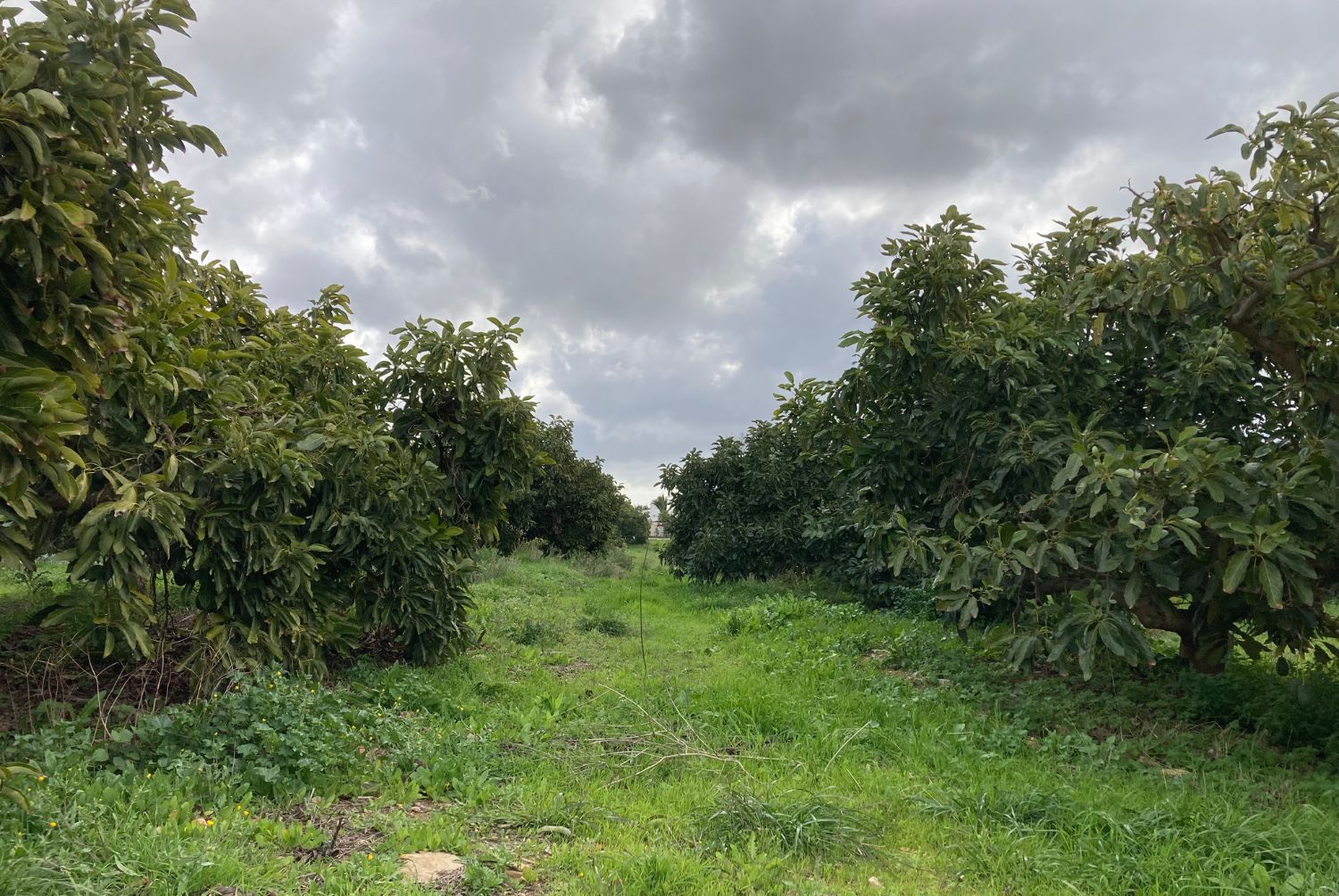
Requirements for growing avocados
Certain soil, climate and water requirements must be met to ensure profitable and sustainable production:
Soil
- Soil texture: Sandy loam or silty loam, loose and well-aerated.
- Drainage: Avocados are very sensitive to waterlogging, which can lead to root asphyxia and disease.
- Depth: At least 80–100 cm of topsoil, well-aerated and with good drainage. Shallow soils (< 50 cm) restrict root development.
- pH: Slightly acidic to neutral, ideally between 5.5 and 7.
- Organic matter: High; improves soil structure and moisture retention.
Weather
- Optimum temperatures: Between 20 and 30 °C.
- Minimum temperature: It does not tolerate frost well. The critical limit is around -2 °C for hardy varieties such as Hass, and temperatures as low as -5 °C can cause serious damage or kill the tree.
- High temperatures and low relative humidity can cause problems during flowering; it is advisable to install climate protection systems using micro-sprinklers.
- Frost: Avoid areas where there is a regular risk of winter frost. Where such a risk exists, it is advisable to install weather protection systems.
- Altitude: Preferably below 800 m, although this may vary depending on the aspect and microclimate.
- Sun exposure: It needs plenty of sun, but in the early stages it may require partial shade to avoid stress.
Hydrology / Irrigation
- Optimal annual rainfall: Between 1.000 and 1.500 mm; however, as this figure is not reached in many parts of Spain, supplementary irrigation is essential.
- Water requirements: Between 6.000 and 11.000 m³/ha/year, depending on the area and the cultivation system.
- Water quality:
- Low salinity: EC < 1 dS/m.
- pH between 6 and 7.5.
- Low in chlorides, sodium and boron.
- Recommended irrigation system: drip irrigation.
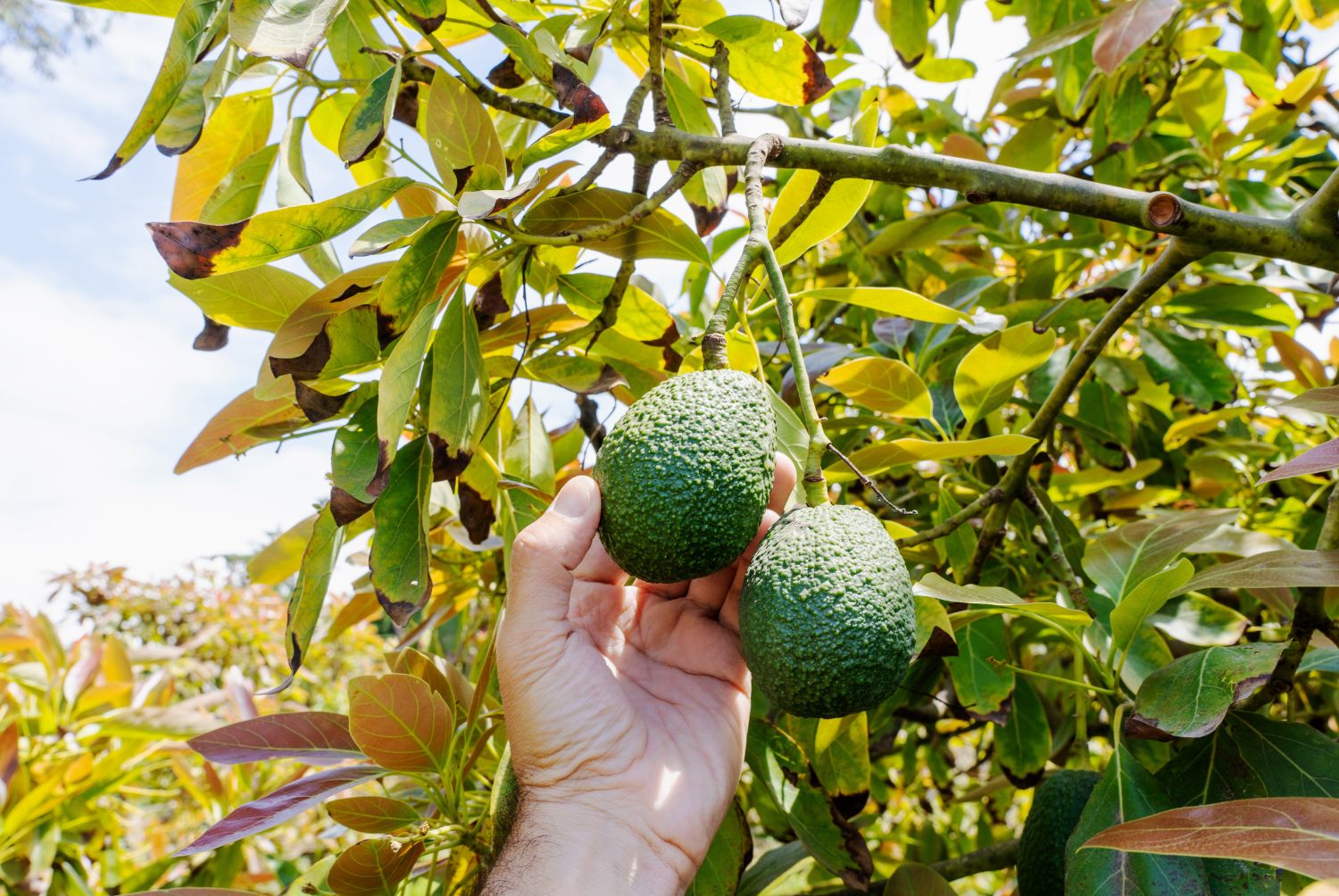
How are avocados grown?
- It is recommended to use grafted seedlings from a nursery (varieties such as Hass grafted onto resistant rootstocks such as 'Dusa' or 'Zutano').
- Planting pattern: Usually 6×4 m to 7×7 m, although this may vary depending on the variety and cultivation system.
- Site preparation:
- Well-drained, deep and aerated soil.
- Ideal pH: between 5.5 and 7.
- If there is a risk of waterlogging, it is recommended to plant in ridges or mounds.
- Best time to visit: Late winter to spring (March to May).
- In the warmer regions of southern Spain, it can even be planted in autumn if protected from the cold.
- After planting, water frequently but briefly, every 2–3 days during the first few weeks. After the first month, adjust according to the weather, but usually 2–3 times a week in summer and reduce in winter.
- Ensure the top 40 cm of soil remains moist.
- Avoid both waterlogging and water stress.
- Irrigation method:
- Drip irrigation is the most efficient and common method.
- Use medium- to low-flow drippers (1.1 / 1.6 / 2.2 l/h) with a spacing of 50 to 75 cm between drippers, depending on the planting pattern, soil type and water availability.
- Given the distribution and type of roots of the avocado plant, water it frequently but in short bursts to maintain a constant level of moisture.
- If we use low-flow drippers and space the emitters less than 60 cm apart, we should install at least two drip lines per tree; the aim is to create a wet zone that is as wide and efficient as possible.
Water requirements may vary depending on the climate, soil type, variety, age of the tree and irrigation system. This calendar is a general guide for Mediterranean climates.
| Phenological stage | Approximate period | Water requirements | Objectives of irrigation | Recommended frequency |
|---|---|---|---|---|
| Dormant period | December – February | Very low | Maintain a minimum level of moisture in the root zone | Every 10–20 days (or skip if it rains) |
| Germination – Flowering | March – April | Moderate | To stimulate shoot growth and prevent water stress from affecting flowering | 1–2 waterings a week |
| Fruit set and growth | May – July | Highlands | Ensure fruit set, prevent physiological fruit drop | 2–3 waterings a week |
| Fruit enlargement | August – October | Very high | Increase fruit size and quality, prevent stress | 3–4 waterings a week (adjust according to the temperature) |
| Ripening – Harvesting | November – December | Media | Maintain turgidity without excess, which could cause the fruit to fall | 1–2 waterings a week |
- Monitor soil moisture using probes to adjust watering.
- Avoid waterlogging in heavy or poorly drained soils → risk of Phytophthora.
- Use mulch to reduce evaporation.
- Adjust the flow rate of the drippers and the number of emitters as the tree grows.
Avocado processing and harvesting
Fertilisers
- Avocados require, in particular, nitrogen (N), potassium (K) and calcium (Ca), and to a lesser extent phosphorus (P), as well as micronutrients such as boron (B), zinc (Zn) and magnesium (Mg).
- Spring (budding): increased nitrogen (N) and some phosphorus (P).
- Summer (fruit development): increase K.
- Autumn (preparation for dormancy): reduce nitrogen and maintain micronutrients.
- Winter: minimal or none, depending on the weather.
Types of pests
| Crystal spider |
| Trips |
| Cochineal (Saissetia) |
| Anthracnose (Colletotrichum) |
| Phytophthora cinnamomi |
Harvesting avocados
- Harvest time:
- It is based on the dry matter content (≥21–23 per cent) and oil content.
- The fruit does not ripen on the tree: it must be picked whilst still green and then left to ripen.
- Harvest season:
- For Hass varieties in Spain: November to May, depending on the region.
- In warmer areas (Málaga, Granada, Huelva, the Canary Islands): earlier.
- Collection method:
- By hand, using pruning shears, leaving a small stalk.
- Sorting and storage in cool, well-ventilated conditions.
Irrigation products for avocados
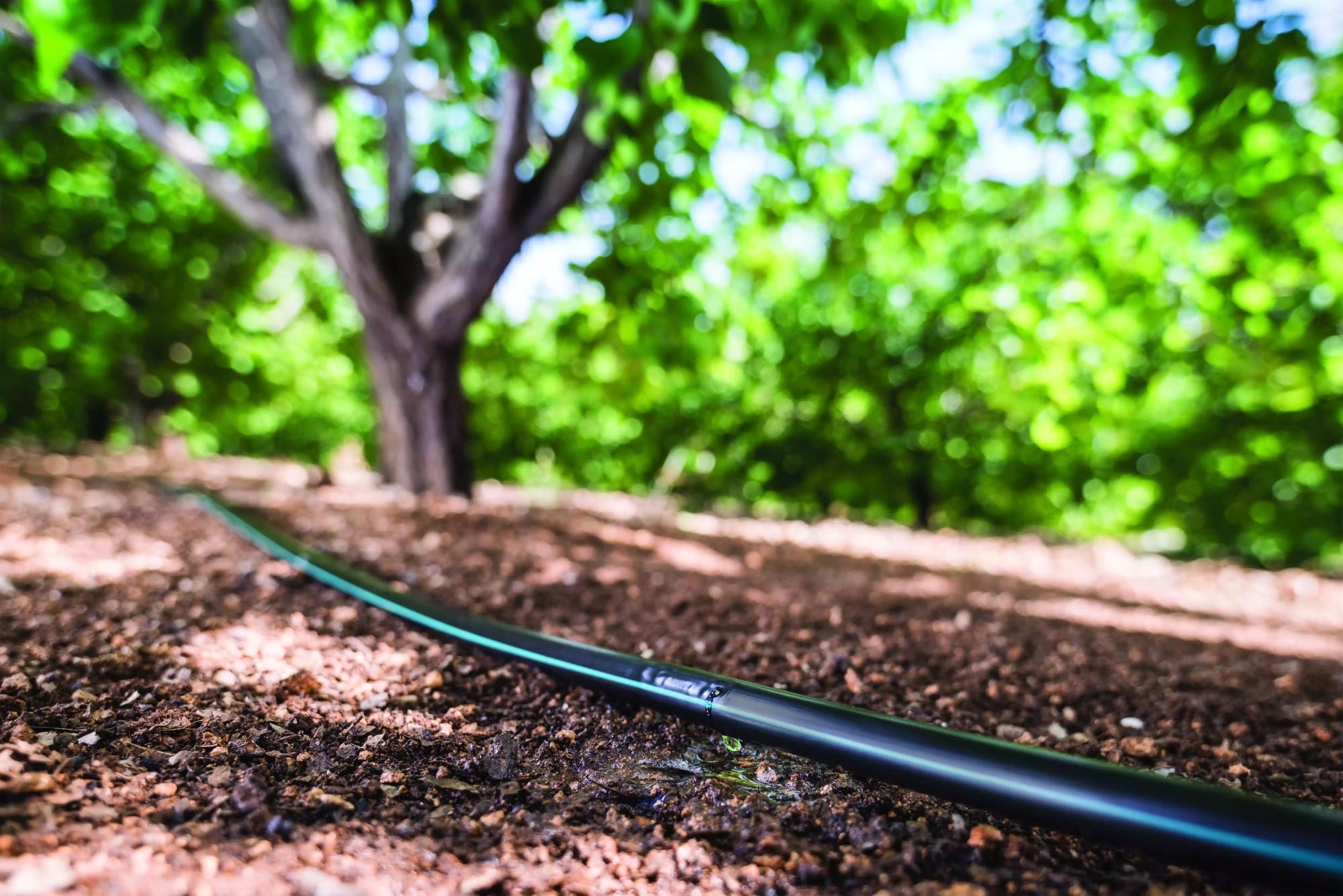
At CAUDAL, we offer high-quality products that enable us to meet the challenges of irrigation systems for avocado orchards.
AENOR-certified PE100 and PE40 pipes for primary and secondary pipelines.
PC700 pipework with integrated dripper; featuring a state-of-the-art self-compensating system, a large inlet filter and wide internal bore; it offers an optimal flow rate range for almond trees, from 1.1 to 2.2 l/h. Available in pipe diameters of 16 and 20 mm and in an anti-suction (AS) version that prevents particles from entering the dripper.
Experience, quality and innovation make CAUDAL’s products for almond tree irrigation the ideal solution.