



Tomatoes are usually grown in greenhouses.
The fact is, it’s not enough simply to plant a seed and wait. This plant is sensitive, somewhat demanding, and needs certain conditions to grow healthily: well-drained soil, moderate temperatures, a balanced supply of nutrients and, above all, controlled and consistent watering. If we overwater it, the roots will rot. If we don’t water it enough, the plant will become stressed and won’t produce well.
For this reason, many farmers — both professional and urban gardeners — opt for drip irrigation, a method of providing just the right amount of water, without wasting it or over-watering the plants. Furthermore, it allows fertilisers to be applied in a targeted manner, which improves yields without damaging the soil.
Here at Caudal, we have been working alongside tomato growers for years, providing efficient irrigation systems that are easy to install and adaptable to any type of plot. Because when water is used wisely, the tomatoes thrive: they grow healthier, produce better fruit and, ultimately, you can taste the difference.
Types of tomato
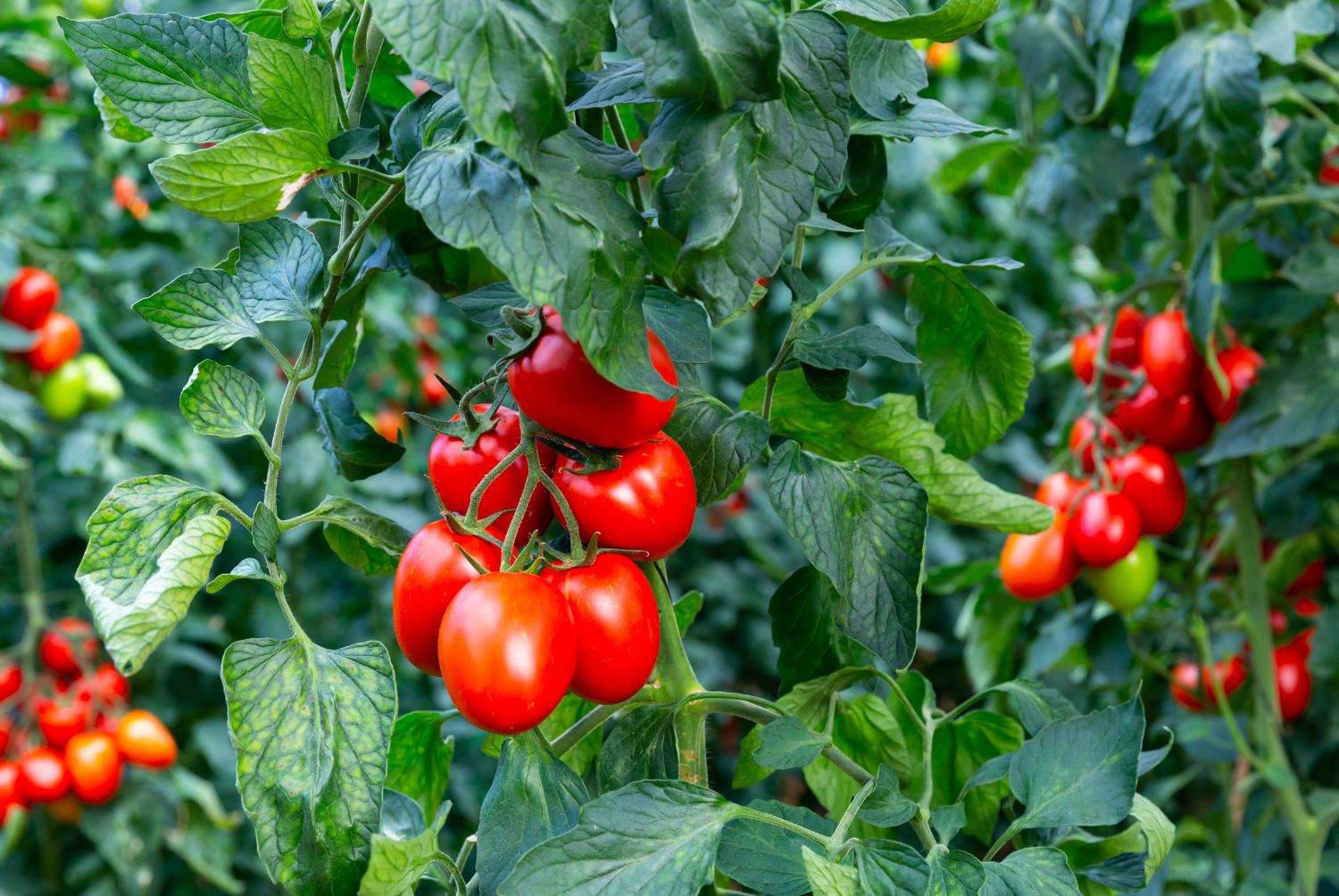
One of the advantages (and also challenges) of growing tomatoes is the wide variety of types available. Each has its own distinct characteristics and specific water requirements. Not all of them grow in the same way or are suited to the same purposes, and understanding their particular traits can save you a lot of headaches… or, on the contrary, bring you plenty of joy at harvest time.
Here’s a summary of some of the most common and popular ones:
Pear tomato
It is a staple of home vegetable gardens and the tinned food industry. Its elongated shape and low water content make it ideal for making sauces, purées and chopped tomatoes. It has thin skin, few seeds and a mild flavour, making it a must-have in many kitchens. Furthermore, it is a fairly productive variety and easy to grow.
Cherry tomato
The smallest in the family, but also one of the sweetest. Cherry tomatoes are perfect for eating raw, in salads or straight from the garden, as if they were natural treats. Their compact size also makes them ideal for pots, balconies or vertical gardens. Note: although they may seem easy to grow, they do require careful management of watering and fertiliser to produce tasty fruit.
Raf tomato
Now we’re talking big leagues. The Raf variety is prized for its complex flavour, with that perfect balance between acidity and sweetness. Its name comes from ‘Resistant to Fusarium’, a fairly common fungus. It has an irregular shape and a deep green colour with streaks. It is demanding in terms of soil and very sensitive to weather conditions, which is why it is usually grown in well-controlled greenhouses.
Vine tomatoes
Also known as a ‘cluster’ tomato, it is very popular due to its hardiness and good shelf life. Several fruits are harvested together, attached by the stalk, which gives them their distinctive appearance. These are robust, high-yielding varieties that are well suited to greenhouse cultivation. Their flavour may vary, but they usually have a good texture and a classic aroma.
Which variety you choose depends very much on your objective:
- Fancy some sauces? Hang on.
- Looking for a rich flavour for your salads? Raf.
- Short on space? Cherry.
- Mass production? Off the tree.
And, of course, the climate, the type of soil and the irrigation resources you have available. Because not all tomatoes behave in the same way in direct sunlight as they do inside a greenhouse, or in loamy soil compared to clay-rich soil.
If you’re unsure which variety is best suited to your growing conditions, we at Caudal can help you get your grow off to a flying start right from the beginning.
Have you decided what type of tomato you’re going to plant? Take a look at our drip irrigation systems designed specifically for each type of crop. View products
Requirements for growing tomatoes
Growing tomatoes may seem straightforward, but if you want to grow good produce — the sort with real flavour — you need to pay attention to three key factors: soil type, climate and water. The combination of these three will enable you to grow tomatoes of the very highest quality
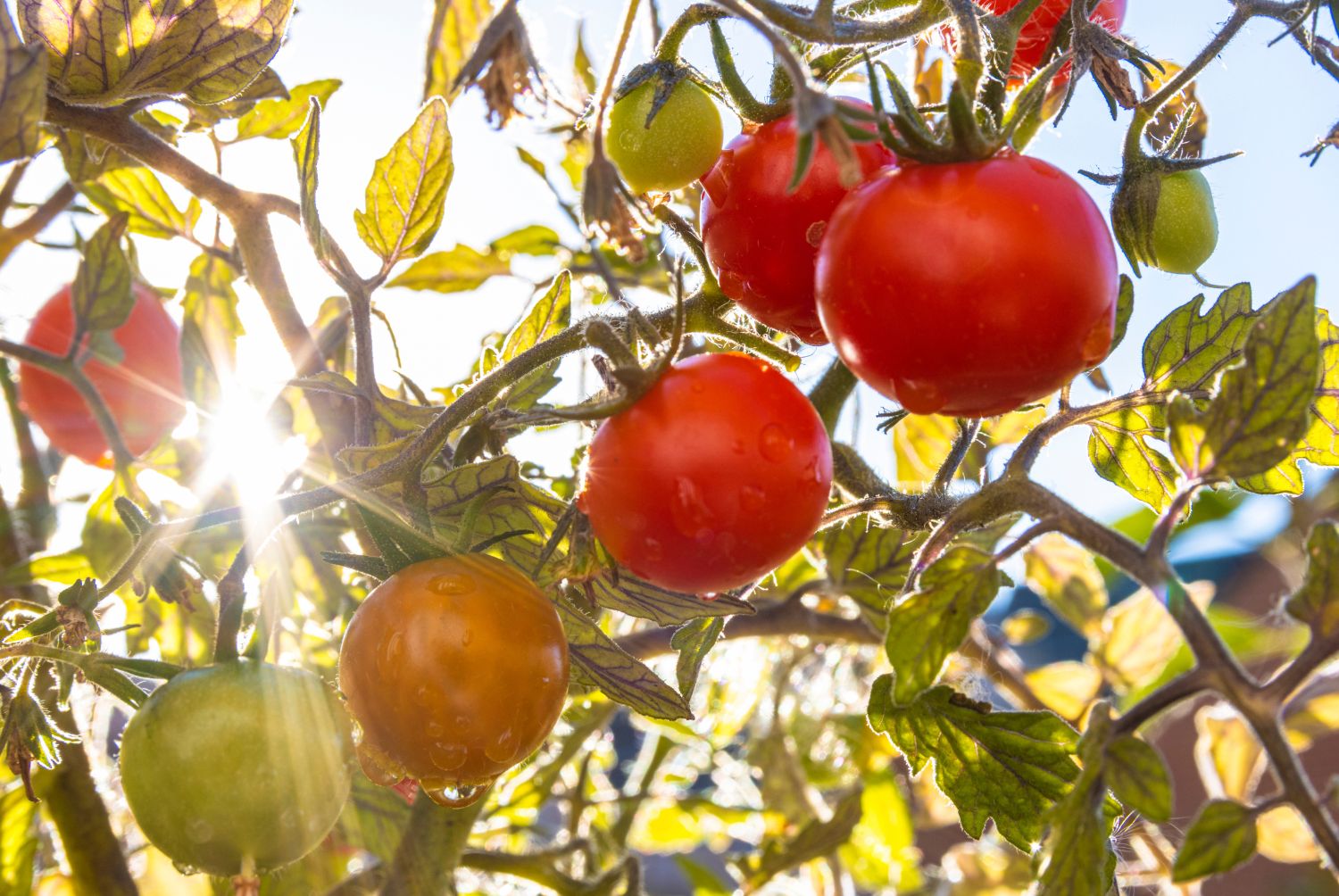
Soil requirements: Good drainage and high nutrient levels.
This plant doesn’t like extremes. If the soil is too compact or becomes waterlogged, the roots will suffer. Loose, well-aerated and nutrient-rich soil is ideal.
- It is best if the soil is loam or loam-sandy, so that it retains some moisture without becoming compacted.
- If it also contains between 2.5 per cent and 3 per cent organic matter, so much the better. This helps the roots to breathe and ensures the plant can access nutrients without any problems.
- Keep an eye on the pH: it needs to be between 6.0 and 6.8. If it drops or rises too much, the tomato plants will start to show signs of nutrient deficiency, even if the soil contains all the necessary nutrients.
- Is your soil very clayey? It’s not the end of the world. You can improve it by adding compost, coconut fibre or perlite. That makes quite a difference.
Handy tip: if you can, have a soil test carried out before you start. That way, you’ll know exactly what it’s lacking and what it isn’t.
Weather conditions: preferably warm, and not very cold.
The tomato is a plant that thrives in a warm-temperate climate. It likes sunshine and moderate heat, but if it gets too cold or extremely hot, it shows it straight away.
- Ideally, temperatures should be between 20 and 28 °C during the day.
- At night, temperatures should not fall below 12 °C. If they do, the plant will start to wither.
- Above 35 °C, tomatoes also suffer: they may drop their flowers or have trouble setting fruit.
- In cooler areas or where the weather changes suddenly, a greenhouse can be a great help. It provides stability and extends the growing season.
Water requirements
There’s no doubt about it: watering is key. And it’s not just a question of how much water, but when and how you give it. Tomatoes need constant moisture, but if they’re watered incorrectly, problems arise: cracked fruit, fungal diseases, or that black spot at the base (apical rot), which is often linked to a calcium deficiency… and that, more often than not, is caused by poor watering practices.
- At the height of the growing season, a tomato plant may need between 2 and 4 litres a day, depending on how hot it is.
- Drip irrigation is the most recommended method: it is precise, avoids wetting the leaves (which helps prevent disease) and saves water.
- Soil moisture should be maintained at around 65 %–80 % of its field capacity. Neither dry nor waterlogged. Moist, like a well-wrung-out sponge.
If you haven’t had your system installed yet, take a look at our drip irrigation systems: quality at the best price.
How are tomatoes grown?
How do you sow it?
You can sow the seeds in a seed tray (and transplant them later) or sow them directly into the ground, if the weather is already fine. In both cases, make sure each plant has enough space: about 40–50 cm between them is fine.
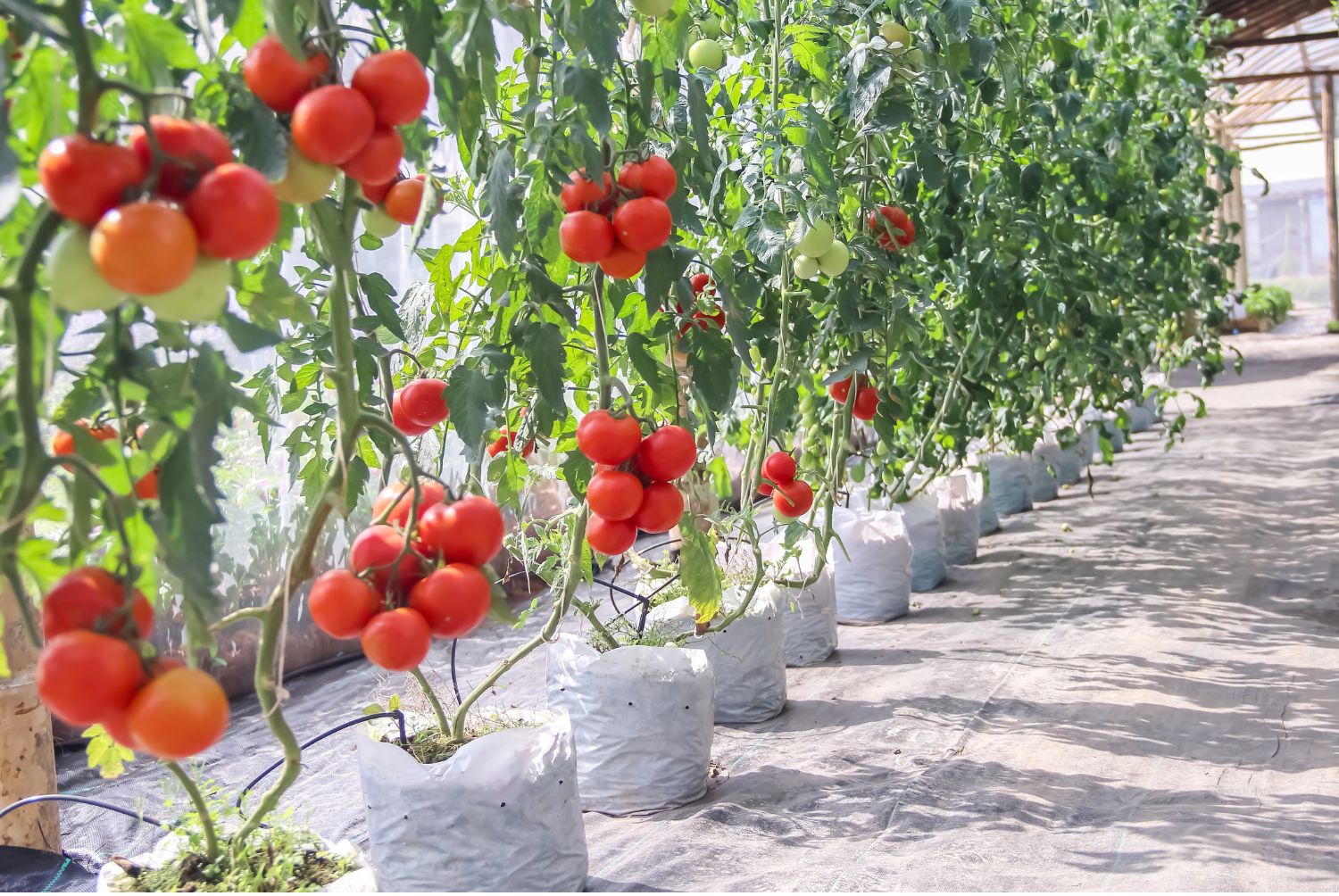
When are tomatoes sown?
- In warm weather, you can start in January or February.
- In temperate regions, wait until March or April.
- In a greenhouse, you have more freedom: almost all year round.
The important thing is to avoid frost. Tomatoes are sensitive and cannot tolerate extreme cold.
When and how should tomatoes be watered?
During the first few weeks, water sparingly but frequently. Once it starts to grow, increase the amount and leave a little more time between waterings. During the flowering and fruit-setting stages, water is essential.
Use adjustable drippers, such as those from Caudal, to adjust the flow rate at each stage. Take a look at the models available.
Fertilisation, pests and harvesting: what you absolutely must know
Which fertilisers should I use?
Tomatoes are demanding. They need nitrogen, phosphorus and potassium, but in just the right amounts. The best way to give them what they need without overdoing it is through fertigation: dissolving the nutrients in the irrigation water.
We have options tailored to every stage of the growing process. Need some help? We’re here to advise you.
Common pests (and how to protect your crops)
There are a few unwanted visitors who tend to turn up:
- Whitefly
- Tuta absoluta
- Trips
You can combat them using organic treatments, colour traps or plant extracts such as neem. Prevention is key: keep the area clean, rotate your crops each season and keep a close watch from day one.
Harvesting: the best time
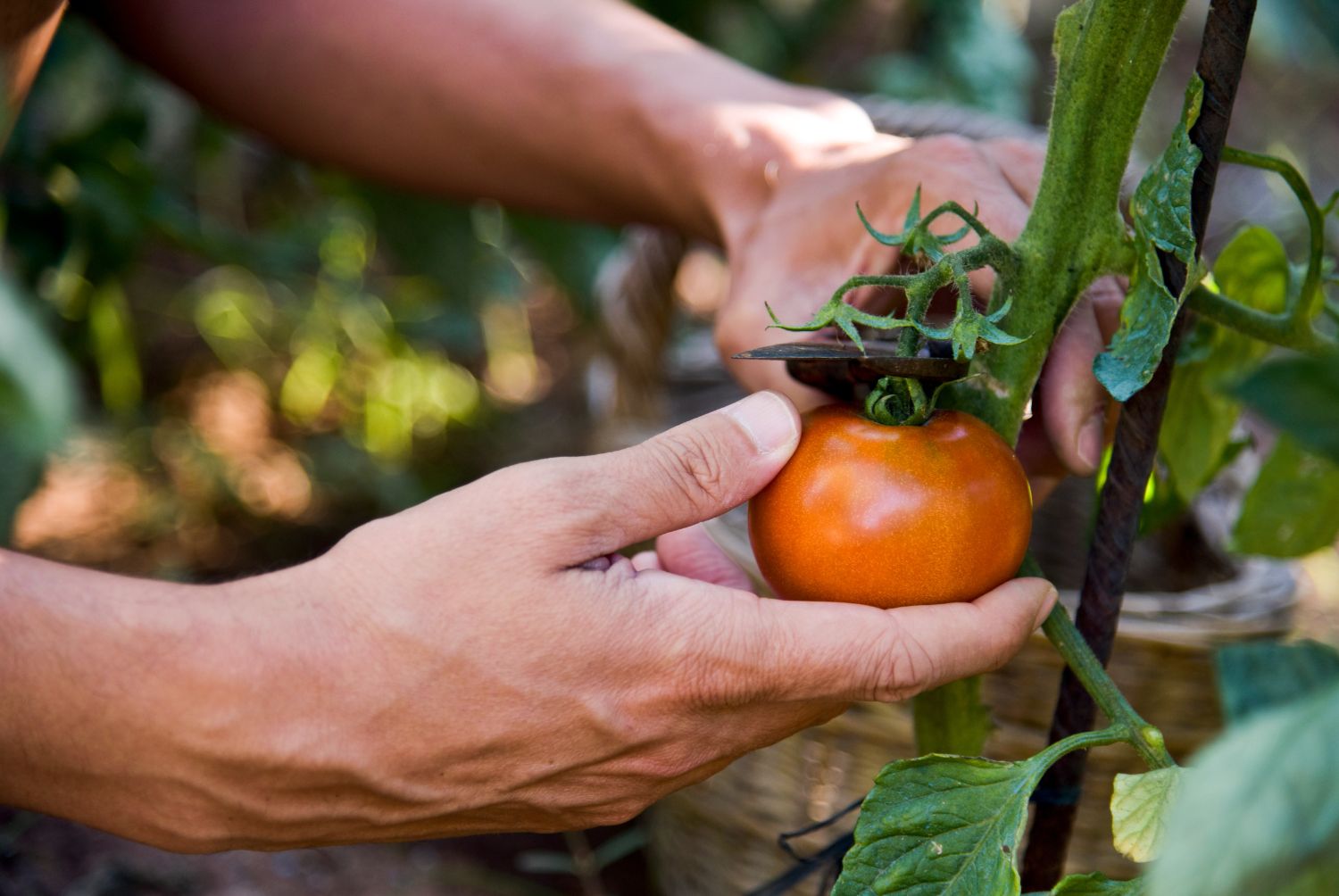
There’s no exact formula. But if the tomato is an even colour, firm to the touch and comes away easily… that’s the moment. Sometimes you’ll have to go over the plants several times to pick the ones that are ready.
What products do you need to water tomatoes?
At Caudal, we have been working with farmers, co-operatives and hobbyists for years. We know what works and what doesn’t. That’s why we have solutions for all levels:
- Automatic irrigation for tomatoes in a greenhouse.
- Professional systems for intensive cultivation.
- Pressure irrigation accessories: pipes and drippers.
Are you looking for something specific? Explore our range of tomato irrigation solutions or ask us for advice, with no obligation.
Frequently Asked Questions about Growing Tomatoes
What is the best watering system for tomatoes?
Drip irrigation, without a doubt. It provides just the right amount of water, prevents waterlogging and makes it easy to apply nutrients.
How often should I water them?
It depends on the weather and the stage of growth. Generally speaking, once a day in summer and every other day in spring should be sufficient.
How can I prevent pests in my tomato crop?
Cleanliness, crop rotation, environmentally friendly treatments and proper irrigation. A healthy crop is less vulnerable.